
Bipolar Hip Replacement: Procedure, Benefits, Risks & Recovery Guide
November 21, 2025 | By Dr. Himanshu Gupta
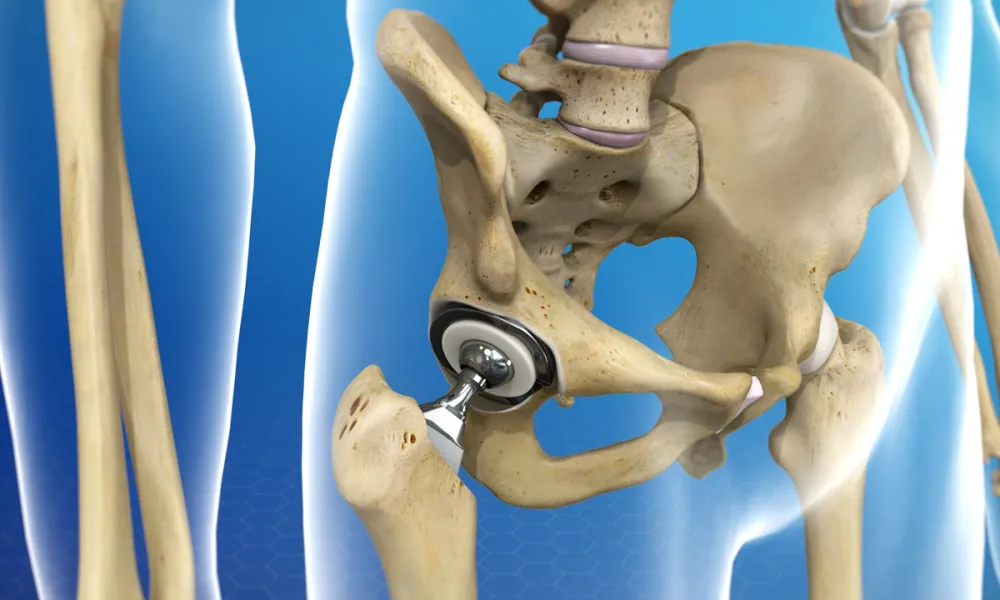
Table of Contents
ToggleBipolar Hip Replacement: Procedure, Benefits, Risks & Recovery Guide
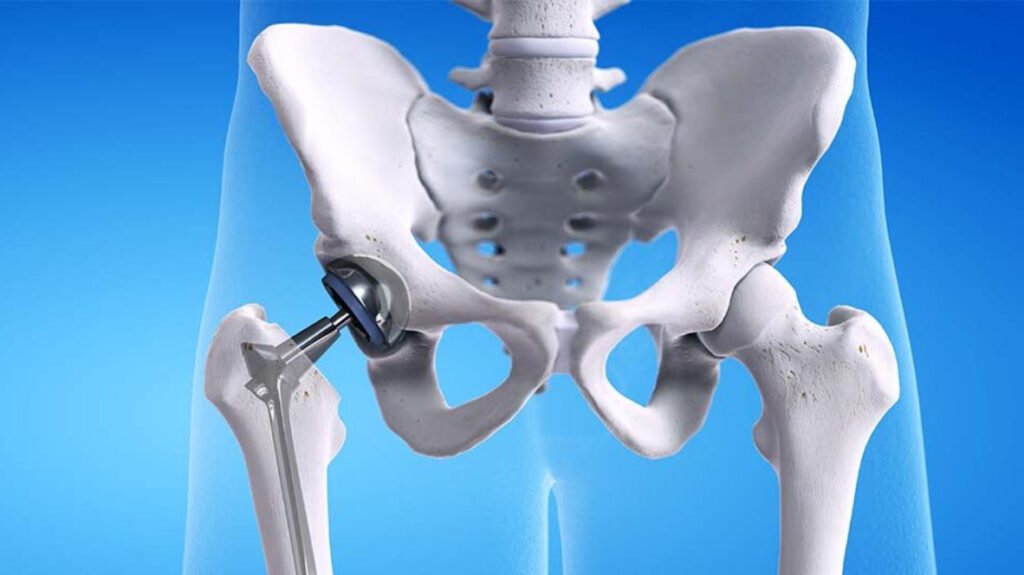
Bipolar Hip Replacement is a commonly recommended surgical procedure for patients experiencing severe hip pain, mobility restrictions, fractures, or advanced joint degeneration. For many, this hip replacement becomes a life-changing solution when conservative treatments like physiotherapy, rest, or medication fail to provide long-term relief.
This guide covers everything you need to know about Bipolar Hip Replacement, including what it is, how it works, the complete procedure, benefits, risks, recovery timeline, cost, prosthesis types, and expectations before and after surgery. This blog is designed to help you make an informed & accurate medical decision with confidence.
What Is Bipolar Hip Replacement?
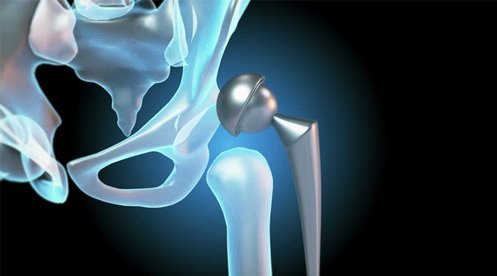
Bipolar Hip Replacement, also known as bipolar hemiarthroplasty, is a surgical procedure where only the femoral head of the hip joint is replaced while the natural acetabulum (hip socket) is preserved. Unlike a total hip replacement that replaces both sides of the joint, bipolar hip replacement uses a dual-mobility design with an inner metal head and an outer polyethylene shell. These two articulating surfaces work together to reduce friction, improve joint movement, and lower the risk of hip dislocation.
This procedure is often recommended for elderly patients, those with femoral neck fractures, mobility-limiting hip injuries, or specific cases of osteoarthritis and avascular necrosis. It provides stable movement, faster recovery, and improved mobility, making it a suitable option for patients who need dependable hip function without undergoing a complete hip replacement.
How Does a Bipolar Hip Replacement Work?
A bipolar hip prosthesis is designed to mimic natural hip movement through a two-point articulation system:
• Inner articulation between the prosthetic head and liner
• Outer articulation between the liner and the natural acetabulum
This dual movement reduces wear and allows smoother, pain-free mobility.
It also provides greater stability compared to unipolar hemiarthroplasty, making it a preferred choice for active elderly patients.
Types of Bipolar Hip Replacement (Prosthesis Options)
There are different types of bipolar hip replacement prostheses, and the choice depends on factors such as patient age, bone density, fracture pattern, activity level, and long-term mobility goals. Below is a detailed breakdown of each type in a structured, easy-to-understand format.
1. Cemented Bipolar Hemiarthroplasty
Cemented bipolar hemiarthroplasty uses a special orthopaedic bone cement to fix the prosthesis securely inside the femoral canal. This technique is especially common in older adults because it provides immediate stability & fixation.
Best For:
• Elderly patients
• Individuals with weak or osteoporotic bones
• Patients needing quick postoperative weight-bearing
Advantages:
• Immediate fixation and stability after surgery
• Faster mobility as patients can stand and walk sooner
• Reduced postoperative pain due to firm implant anchoring
Cemented bipolar hip replacement is often preferred when bone quality is poor and rapid recovery is essential.
2. Uncemented Bipolar Hemiarthroplasty
Uncemented bipolar implants do not use cement. Instead, they are designed with a porous coating that allows natural bone to grow into the implant, securing it biologically over time.
Best For:
• Younger patients
• People with good bone quality
• Active individuals who need long-term implant durability
Advantages:
• No risk of cement-related complications
• Long-term biological fixation that strengthens over time
• Greater durability for active lifestyles
Uncemented bipolar hip replacement is ideal for patients expected to maintain higher mobility levels.
3. Modular Bipolar Hemiarthroplasty
Modular implants consist of multiple components that can be adjusted during surgery to match the patient’s natural anatomy, ensuring better joint alignment and function.
Best For:
• Patients needing personalised implant adjustments
• Complex fractures
• Irregular femoral neck anatomy
Advantages:
• Customizable alignment for perfect anatomical fit
• Higher accuracy during joint reconstruction
• Better long-term hip mechanics and mobility
Modular bipolar hemiarthroplasty improves the accuracy of implant placement and overall patient outcomes.
4. Unipolar vs Bipolar Hemiarthroplasty
In unipolar hemiarthroplasty, the prosthesis has a single articulation with the acetabulum.
In bipolar hemiarthroplasty, there is a dual articulation — inner and outer — providing smoother movement and reduced wear.
Best For:
• Bipolar: Active elderly, unstable fractures, better mobility
• Unipolar: Very low-demand patients or limited life expectancy
Advantages of Bipolar Over Unipolar:
• Less acetabular wear
• Lower risk of hip dislocation
• Improved long-term functional outcomes
Bipolar hip replacement is preferred because it offers superior movement, stability, and durability.
Who Is the Right Candidate for Bipolar Hip Replacement?
A Bipolar Hip Replacement is recommended when hip damage or fractures severely limit daily activities and no longer respond to medications, rest, or physiotherapy. It is especially suitable for elderly patients because bipolar hemiarthroplasty provides better stability, reduced pain, and early mobility after a hip injury.
This surgery is ideal for femoral neck fractures, difficulty walking or bearing weight, constant pain that does not improve with treatment, advanced arthritis affecting the femoral head, and selected cases of avascular necrosis.
Overall, bipolar hip replacement helps restore mobility, reduce pain, and support faster recovery—making it highly beneficial for older adults with serious hip injuries.
Bipolar Hip Replacement Procedure (Step-by-Step)
The bipolar hemiarthroplasty procedure is performed in a step-by-step manner to ensure accuracy, stability, and safe implant placement.
Below is a clear breakdown of how the Bipolar Hip Replacement procedure is performed:
Step 1. Pre-Surgery Evaluation
X-rays, CT, or MRI scans are done to assess hip damage, along with medical fitness tests and anaesthesia planning.
Step 2. Incision & Exposure
A small surgical incision is made to safely access the hip joint and visualise the damaged femoral head.
Step 3. Removal of the Damaged Femoral Head
The broken or worn-out femoral head is removed to prepare the hip for the bipolar prosthesis.
Step 4. Implant Placement
A cemented or uncemented bipolar prosthesis is inserted into the femur, restoring joint movement.
Step 5. Joint Stabilisation
The new bipolar head is positioned inside the natural acetabulum, ensuring smooth and stable articulation.
Step 6. Closure
The incision is closed in layers, and the hip is bandaged to begin the recovery process.
Benefits of Bipolar Hip Replacement
Bipolar Hip Replacement offers multiple advantages for patients dealing with severe hip pain, fractures, or mobility limitations. The dual-mobility design of bipolar hemiarthroplasty helps restore smoother movement and improve joint stability.
Below are the key benefits of Bipolar Hip Replacement:
• Faster mobility
• Reduced postoperative pain
• Lower risk of dislocation
• More stable than unipolar implants
• Better long-term joint function
• Improved quality of life
This procedure helps patients walk again with minimal discomfort and regain independence in daily activities.
Risks & Possible Complications
Although Bipolar Hip Replacement is considered a safe and effective procedure, like any other surgery, it carries certain risks. Understanding these risks helps patients make informed decisions and prepare for recovery more effectively.
Possible complications of bipolar hemiarthroplasty include:
• Infection
• Blood clots
• Implant loosening
• Dislocation (lower than unipolar)
• Leg length difference
• Reaction to anaesthesia
Most risks can be minimised with an experienced orthopaedic surgeon and proper rehabilitation.
Bipolar Hip Replacement Cost in India
The Bipolar Hip Replacement Cost in India varies based on several factors, including the city and hospital type, surgeon’s expertise, the use of cemented or uncemented prosthesis, implant brand, room category, and the requirement for postoperative physiotherapy. These factors can significantly influence the final treatment cost.
Average Cost of Bipolar Hip Replacement
₹1,20,000 – ₹3,00,000
(Depending on implant type, hospital facility & case complexity)
Recovery After Bipolar Hip Replacement
Week 1–2:
• Pain reduction
• Walking with support
Week 3–6:
• Improved weight-bearing
• Physiotherapy exercises
Week 8–12:
• Return to normal activities
• Strength restoration
Full recovery can take 3–6 months, depending on age, bone quality, and physiotherapy.
What to Expect Before & After Surgery
Before Surgery
• Stop certain medications
• Complete medical tests
• Follow fasting instructions
After Surgery
• Pain medication
• Physiotherapy begins early
• Avoid bending or twisting
• Regular follow-ups
Long-Term
• Improved mobility
• Low risk of complications
• Ability to walk without pain
FAQs
It is a surgical procedure where only the femoral head is replaced using a dual-mobility bipolar prosthesis. It is done mainly for hip fractures and severe damage.
Most implants last 15–20 years, depending on the quality of the bone and the individual's activity levels.
For elderly fracture patients, yes. For younger arthritis patients, total hip replacement may be more suitable.
Most patients walk within 1–2 days, but full recovery takes 3–6 months.
The average cost is ₹1,20,000 to ₹3,00,000, depending on the prosthesis type and the hospital.
About Author

Dr. Himanshu Gupta
About Author
Dr. Himanshu Gupta
Dr. Himanshu Gupta
Robotic Joint Replacement Surgeon | Orthopaedic Surgeon | Knee, Shoulder & Sports Injury Specialist
Related Posts
 How Serious Is a Hairline Fracture Ankle? Symptoms, Healing Time
 Complete Guide to Knee Ligament Injury Treatment: Types, Recovery
 ACL Injury Recovery Time: How Long Does It Take to Heal?
 Pain in Upper Left Arm Between Elbow and Shoulder: Causes
 Segond Fracture and ACL Injury: Why They Often Occur Together
 Carman Meniscus Sign: What It Is and How It Helps Diagnose Meniscus Tears