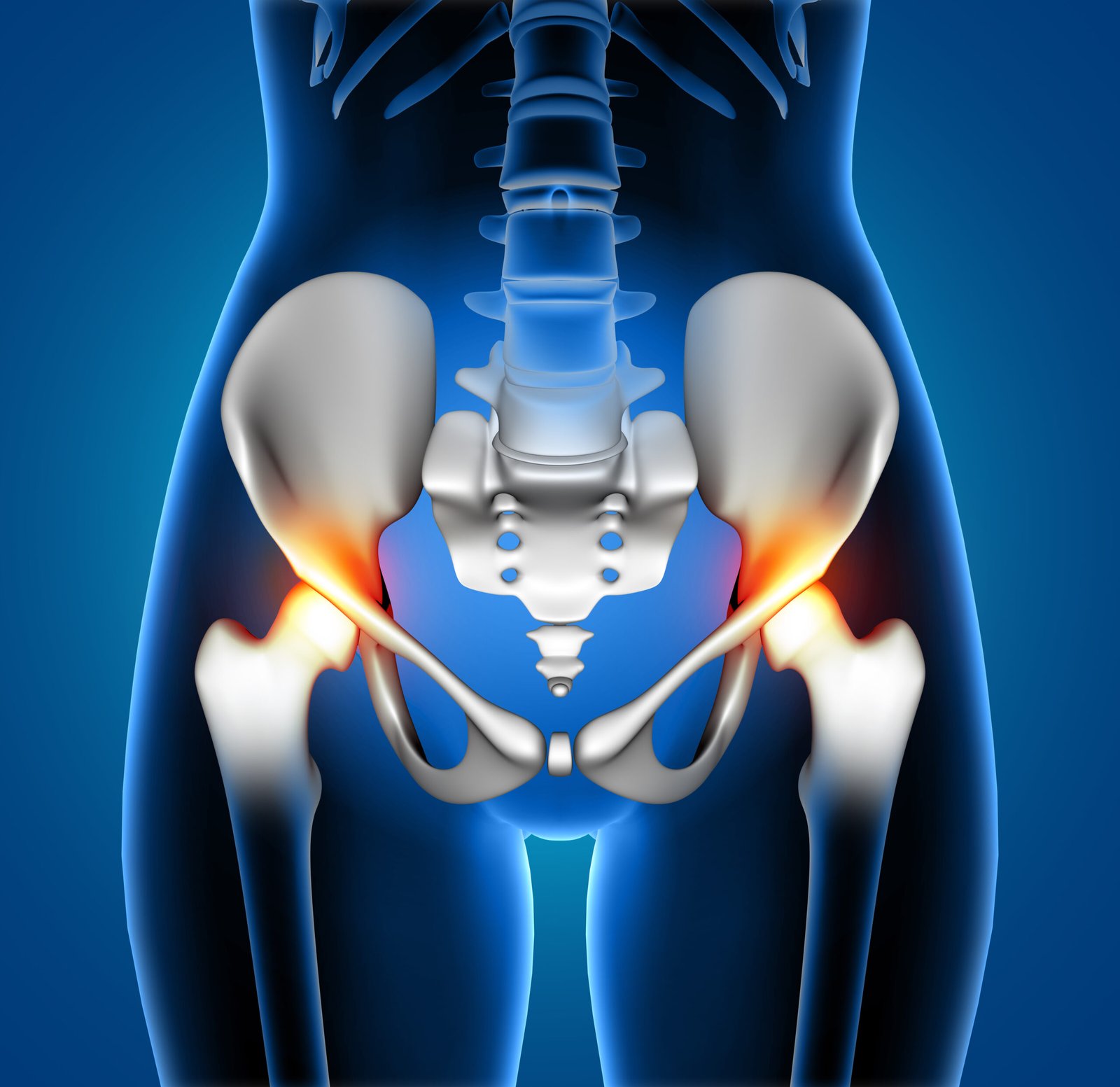
An intertrochanteric femur fracture is a serious hip injury that occurs in the upper part of the thigh bone, also known as the femur. This fracture happens between two bony points called the greater trochanter and lesser trochanter. It is one of the most common hip fractures seen in older adults, especially those with weak bones or osteoporosis.
This injury can cause severe pain, difficulty walking, swelling, and loss of mobility. In many cases, immediate medical attention and surgery are required for proper healing. Understanding the causes, symptoms, diagnosis, recovery process, and treatment options can help patients and families make informed decisions.
Experienced orthopedic surgeons like Dr. Himanshu Gupta have extensive experience in managing complex hip fractures and performing advanced orthopedic trauma surgeries for faster recovery and improved mobility.
What Is an Intertrochanteric Femur Fracture?
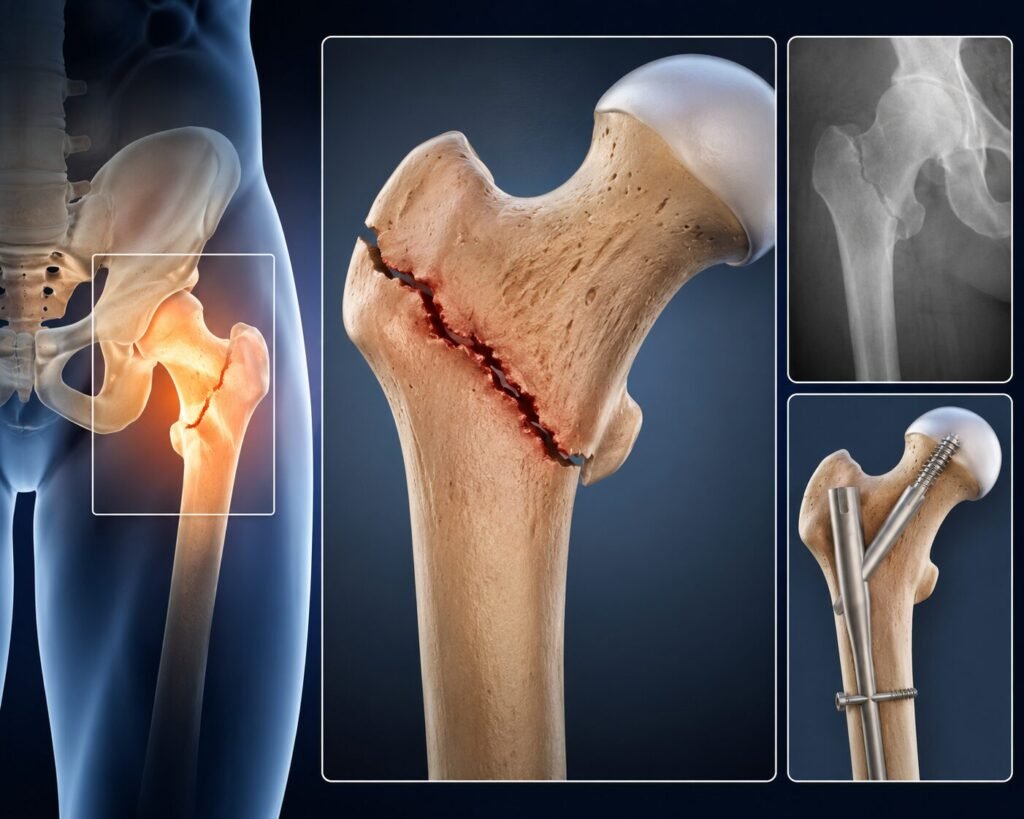
An intertrochanteric femur fracture occurs in the upper region of the femur bone near the hip joint. This area plays an important role in body movement and weight-bearing activities.
These fractures are commonly caused by:
● Falls in elderly patients
● Road accidents
● Sports injuries
● Trauma injuries
● Weak bones due to osteoporosis
An intertrochanteric femur fracture is considered a major orthopedic injury because it can significantly affect walking ability and daily life.
Anatomy of the Femur Bone
The femur is the longest and strongest bone in the body. The upper part of the femur connects with the pelvis to form the hip joint.
Important parts include:
● Femoral head
● Femoral neck
● Greater trochanter
● Lesser trochanter
The fracture occurring between the trochanters is called an intertrochanteric femur fracture.
Causes of Intertrochanteric Femur Fracture
There are several causes of femur fracture, especially among elderly individuals and accident victims.
Common Causes
● Slipping and falling
● Osteoporosis
● Weak bone density
● Road traffic accidents
● Sports trauma
● Sudden twisting injuries
● High-impact falls
Older adults are more vulnerable because bone strength decreases with age.
Symptoms of Intertrochanteric Femur Fracture
The symptoms of an intertrochanteric femur fracture are usually severe and immediate.
Common Symptoms
● Severe hip pain
● Swelling around the hip
● Difficulty standing
● Inability to walk
● Bruising near the thigh
● Leg shortening
● External rotation of the leg
● Tenderness near the hip
Patients experiencing these symptoms should seek urgent orthopedic care.
Types of Intertrochanteric Femur Fracture
Different fracture patterns may occur depending on the severity of the injury.
Stable Fracture
In stable fractures, the broken bone pieces remain relatively aligned.
Unstable Fracture
Unstable fractures involve multiple fragments and severe displacement.
Right Intertrochanteric Femur Fracture
A right intertrochanteric femur fracture affects the upper part of the right thigh bone and may severely limit movement.
Intertrochanteric Fracture of Left Femur
An intertrochanteric fracture of left femur affects the left hip area and commonly occurs after falls in elderly patients.
Difference Between Fracture Neck of Femur and Intertrochanteric Fracture
Many patients ask about the difference between fracture neck of femur and intertrochanteric fracture because both injuries affect the hip region.
Feature | Fracture Neck of Femur | Intertrochanteric Femur Fracture |
Location | Femoral neck | Between trochanters |
Blood Supply Risk | Higher | Lower |
Healing Ability | Slower | Better blood supply |
Surgery Type | Hip replacement sometimes needed | Internal fixation common |
Common Age Group | Elderly | Elderly and trauma patients |
Understanding the difference between fracture neck of femur and intertrochanteric fracture helps doctors choose the correct treatment approach.
Diagnosis of Intertrochanteric Femur Fracture
Doctors diagnose an intertrochanteric femur fracture through physical examination and imaging tests.
Physical Examination
Doctors check:
● Hip movement
● Leg alignment
● Swelling
● Pain level
● Walking ability
Imaging Tests
Common imaging methods include:
● X-rays
● CT scans
● MRI scans
Accurate diagnosis helps doctors plan the right treatment quickly.
Intertrochanteric Femur Fracture Treatment
The best intertrochanteric femur fracture treatment depends on the fracture severity, patient age, and overall health condition.
Non-Surgical Treatment
Very few patients are treated without surgery. Non-surgical care may include:
● Bed rest
● Pain medicines
● Limited movement
● Physiotherapy
However, most fractures require surgery for proper healing.
Surgical Treatment
Modern intertrochanteric femur fracture treatment usually involves orthopedic surgery to stabilize the broken bone.
Common surgical options include:
● Metal plates and screws
● Intramedullary nails
● Dynamic hip screws
● Rod fixation systems
These procedures help restore bone alignment and improve mobility.
Femur Fracture Surgery
Femur fracture surgery is commonly recommended for severe fractures because it allows early movement and reduces complications caused by prolonged bed rest.
Benefits of Femur Fracture Surgery
● Faster recovery
● Better bone alignment
● Improved mobility
● Reduced pain
● Lower risk of complications
● Early rehabilitation
Experienced orthopedic specialists like Dr. Himanshu Gupta are skilled in advanced trauma and fracture surgeries using modern orthopedic techniques.
Femur Fracture Surgery Cost in India
The femur fracture surgery cost in India depends on multiple factors such as:
● Hospital facilities
● Implant type
● Surgery complexity
● ICU care
● Surgeon expertise
● Rehabilitation support
On average, the femur fracture surgery cost in India may range from moderate to high depending on the patient’s condition and treatment plan.
India is considered a preferred destination for orthopedic treatment because of advanced medical care and affordable surgical options.
Recovery After Intertrochanteric Femur Fracture
Recovery from an intertrochanteric femur fracture may take several months.
Recovery Timeline
Recovery Stage | Healing Progress |
Week 1–2 | Pain management and limited movement |
Week 3–6 | Walking with support begins |
Month 2–3 | Strength and mobility improve |
Month 4–6 | Better walking and daily activity recovery |
6+ Months | Long-term healing and improved stability |
Physiotherapy plays a major role in restoring muscle strength and joint movement.
Physiotherapy After Femur Fracture Surgery
Physiotherapy is essential after femur fracture surgery because it improves mobility and prevents stiffness.
Benefits of Physiotherapy
● Improves balance
● Restores hip movement
● Strengthens muscles
● Reduces pain
● Prevents joint stiffness
● Improves walking ability
Regular exercises help patients regain independence faster.
Complications of Intertrochanteric Femur Fracture
Without proper treatment, complications may develop.
Possible Complications
● Infection
● Blood clots
● Delayed healing
● Hip stiffness
● Chronic pain
● Bone deformity
● Difficulty walking
Early surgery and rehabilitation reduce the risk of these complications.
Risk Factors for Femur Fracture
Certain conditions increase fracture risk.
Common Risk Factors
● Osteoporosis
● Aging
● Weak bones
● Poor nutrition
● Lack of calcium
● Smoking
● Vitamin D deficiency
Maintaining bone health is important for fracture prevention.
Tips for Faster Recovery
Patients can improve healing after an intertrochanteric femur fracture by following
healthy habits.
Eat Healthy Foods
Protein and calcium support bone healing.
Follow Physiotherapy
Daily exercises improve flexibility and strength.
Avoid Smoking
Smoking delays bone healing significantly.
Use Walking Support
Walkers and crutches reduce stress on the healing bone.
Attend Follow-Up Visits
Regular checkups help monitor recovery progress.
Why Early Treatment Matters
Delaying treatment for an intertrochanteric femur fracture can increase the risk of permanent disability and joint problems.
Early treatment helps:
● Reduce pain
● Restore movement
● Improve walking ability
● Prevent complications
● Improve quality of life
Experienced orthopedic surgeons can provide proper treatment planning and post-operative rehabilitation support.
FAQs
An intertrochanteric femur fracture is a break in the upper part of the thigh bone between the greater and lesser trochanters near the hip joint.
Common causes of femur fracture include falls, road accidents, osteoporosis, and sports injuries.
Most patients require femur fracture surgery to stabilize the bone and restore mobility properly.
Recovery after femur fracture surgery may take several months depending on age, bone health, and rehabilitation.
The difference between fracture neck of femur and intertrochanteric fracture mainly involves the fracture location, blood supply risk, and treatment method.
Conclusion
An intertrochanteric femur fracture is a serious hip injury that commonly affects elderly individuals and trauma patients. This fracture can severely impact mobility and daily life if not treated properly.
Understanding the causes, symptoms, diagnosis, and treatment options helps patients seek timely orthopedic care. Modern intertrochanteric femur fracture treatment and advanced femur fracture surgery techniques now offer better recovery outcomes and improved mobility.
With extensive experience in orthopedic trauma care and fracture management, Dr. Himanshu Gupta provides advanced surgical treatment focused on faster recovery and long-term joint function.