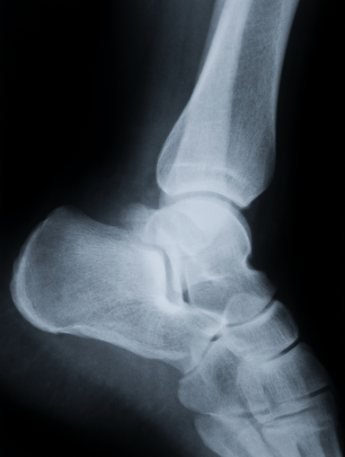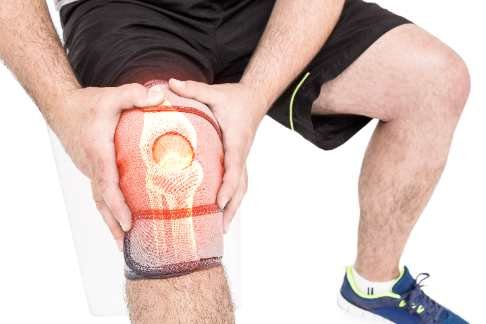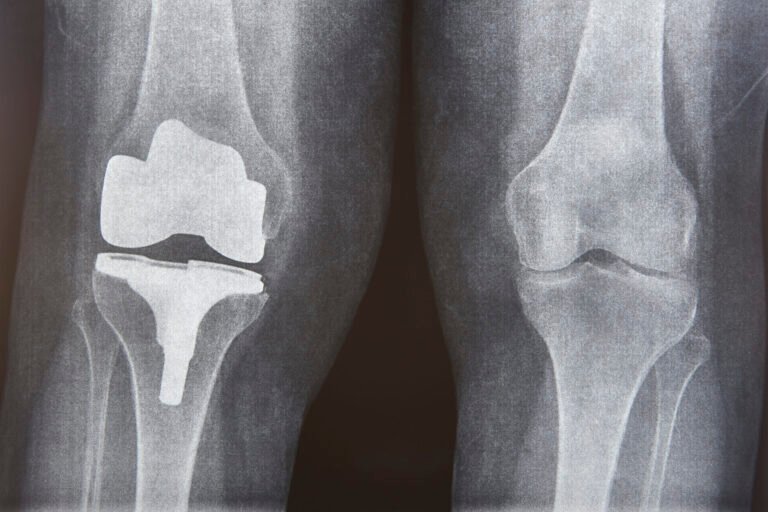
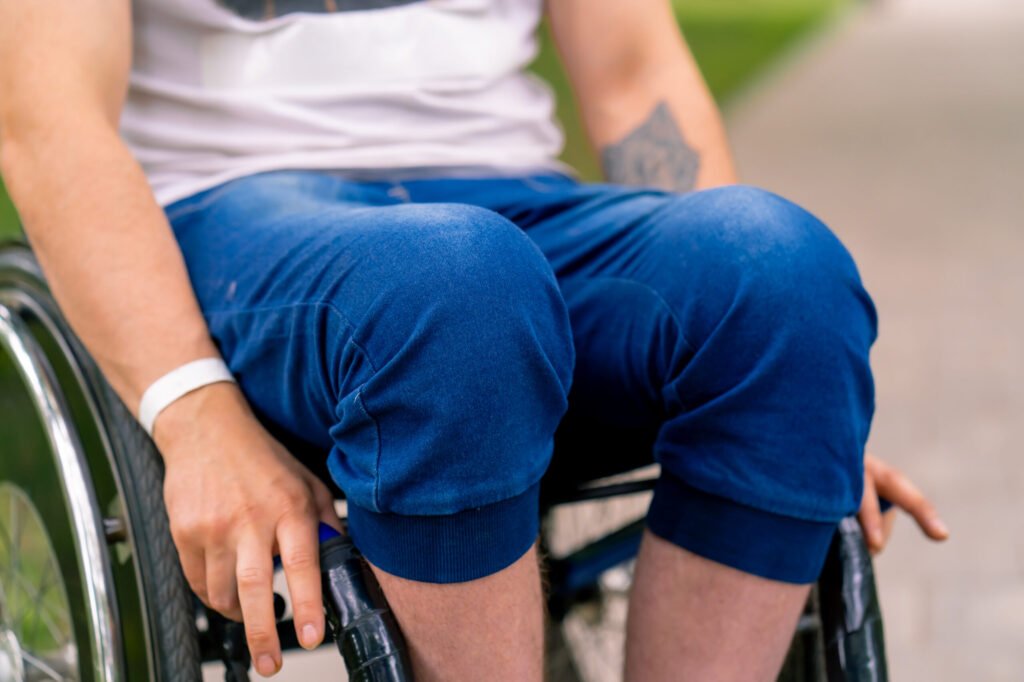
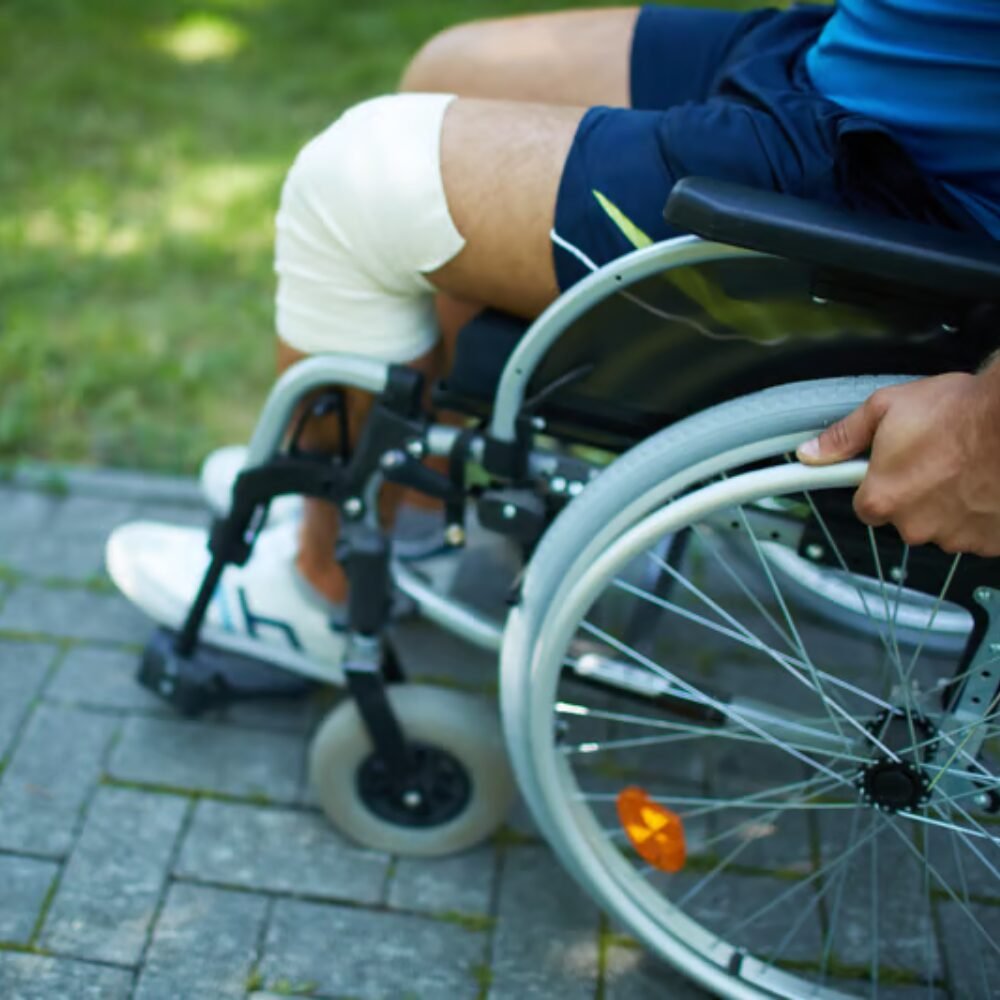
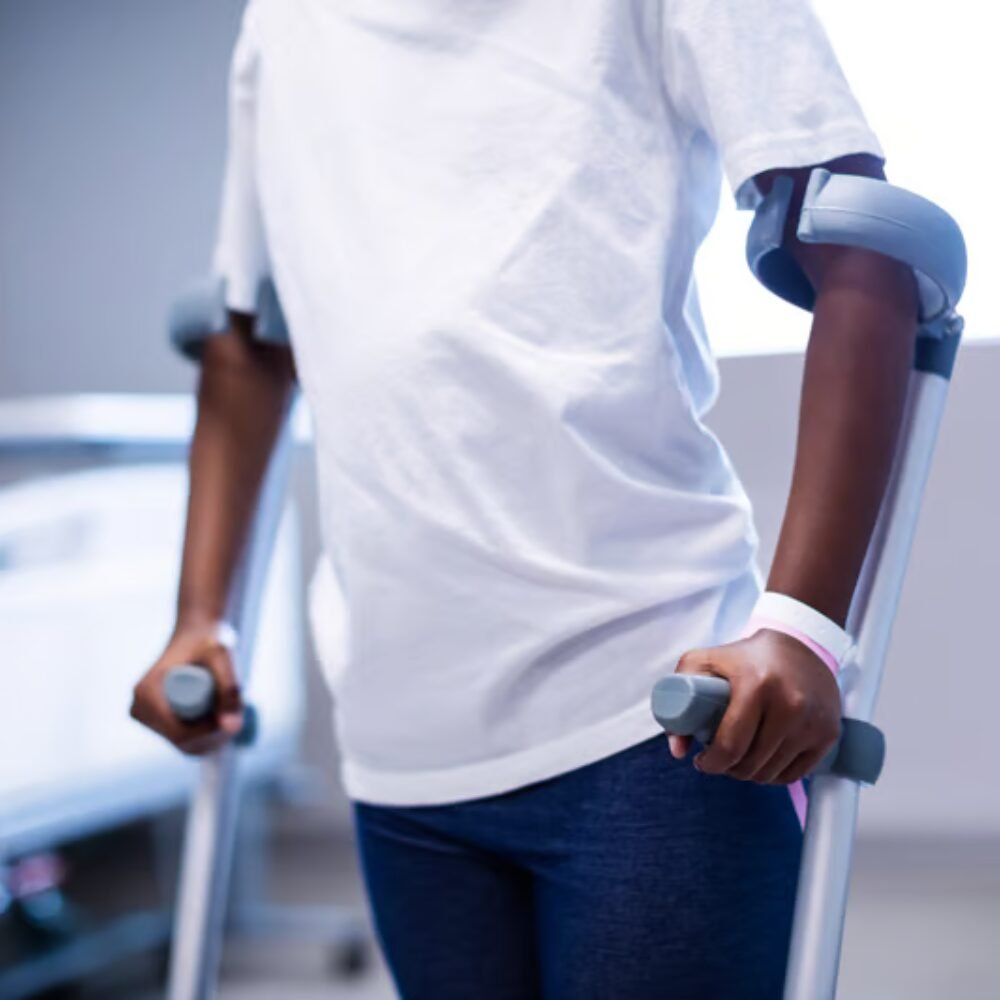
Orthopedic disability refers to a condition in which a person experiences difficulty in movement due to problems in bones, joints, muscles, or ligaments. It affects mobility, flexibility, and the ability to perform daily activities.
People with orthopedic disability may find it hard to walk, stand, sit, or even perform simple tasks. This condition can be temporary or permanent depending on the cause and severity.
Orthopedic disability can result from injury, disease, or congenital conditions. Early diagnosis and proper orthopedic treatment can significantly improve the quality of life.
Understanding Orthopedic Disability Types
Orthopedic disability types vary based on the affected body part and severity. They include mobility issues, joint disorders, bone deformities, and neuromuscular conditions. These disabilities can limit movement, cause pain, and affect daily activities, requiring proper treatment and rehabilitation.
1 Mobility-Related Disabilities
These affect walking and movement:
● Difficulty walking
● Use of crutches or wheelchairs
2 Joint-Related Disabilities
Problems in joints lead to stiffness and pain:
● Limited movement
● Severe joint pain
3 Bone-Related Disabilities
These occur due to fractures or deformities:
● Weak bones
● Abnormal bone structure
4 Neuromuscular Disabilities
These involve muscles and nerves:
● Muscle weakness
● Loss of coordination
Understanding different orthopedic disability types helps in planning the right treatment
approach.
Causes of Orthopedic Disability
There are many causes of orthopedic disability, including injuries, fractures, arthritis, infections, and congenital conditions. Poor lifestyle, aging, and untreated joint pain can also contribute, leading to reduced mobility and difficulty in daily activities.
1 Injuries and Accidents
Fractures, ligament tears, and trauma can lead to long-term disability if not treated properly.
2 Chronic Diseases
Conditions like arthritis cause continuous joint pain and damage over time
3 Congenital Conditions
Some people are born with bone deformities that result in orthopedic disability.
4 Infections
Bone or joint infections can damage tissues and cause disability.
5 Degenerative Conditions
Aging leads to wear and tear of joints, resulting in knee joint pain and reduced mobility.
6 Poor Lifestyle
Lack of exercise, obesity, and poor posture increase the risk of joint pain and disability.
Symptoms of Orthopedic Disability
Symptoms of orthopedic disability vary by condition but commonly include joint pain, stiffness, swelling, muscle weakness, and limited movement. People may face difficulty walking, standing, or performing daily activities, which can affect overall mobility and quality of life.
● Persistent joint pain
● Difficulty in movement
● Stiffness in joints
● Swelling and inflammation
● Muscle weakness
● Limited range of motion
● Difficulty in performing daily activities
In many cases, knee joint pain is one of the first signs of developing orthopedic issues.
Joint Pain and Its Role in Orthopedic Disability
Joint pain is a key factor in orthopedic disability. It can result from injury, arthritis, or overuse, leading to stiffness, swelling, and reduced mobility. Persistent joint pain can affect daily activities and worsen disability if not treated properly.
1 Joint Pain Causes
Common joint pain causes include:
● Arthritis
● Injury
● Overuse
● Infection
● Age-related degeneration
Understanding the joint pain reason is essential for proper diagnosis.
2 Knee Joint Pain
Knee joint pain is a common problem that can lead to mobility issues and eventually result in orthopedic disability if ignored.
3 Joint Pain Treatment
Effective joint pain treatment includes:
● Medication
● Physiotherapy
● Lifestyle changes
Managing joint pain early can prevent severe orthopedic problems.
Diagnosis of Orthopedic Disability
Diagnosing orthopedic disability involves physical examination, medical history, and imaging tests like X-rays or MRI. Doctors assess movement, pain, and joint function to identify the cause and severity, helping plan the right treatment and rehabilitation
1 Physical Examination
Doctors assess movement, flexibility, and pain levels.
2 Imaging Tests
● X-rays
● MRI scans
● CT scans
These tests help identify bone and joint problems.
3 Laboratory Tests
Blood tests may be required to detect infections or inflammatory conditions.
Accurate diagnosis is important for selecting the right orthopedic treatment.
Orthopedic Treatment Options
There are various orthopedic treatment methods available depending on the severity of the condition.
1. Non-Surgical Treatment
● Medications
● Physiotherapy
● Exercise programs
These methods help reduce pain and improve mobility
2. Surgical Treatment
In severe cases, surgery may be required:
● Joint replacement
● Fracture repair
● Ligament reconstruction
3. Pain Management
Managing joint pain is a key part of treatment:
● Pain relievers
● Heat/cold therapy
Proper orthopedic treatment ensures better recovery and reduces disability
Rehabilitation and Management Guide
Rehabilitation plays a major role in managing orthopedic disability.
1. Physiotherapy
Helps improve strength and flexibility
2. Assistive Devices
● Braces
● Walkers
● Wheelchairs
3. Lifestyle Modifications
● Maintain a healthy weight
● Regular exercise
● Balanced diet
4. Mental Support
Living with orthopedic disability can be challenging, so emotional support is important.
Prevention Tips
Preventing orthopedic disability is possible with the right habits:
● Exercise regularly
● Maintain proper posture
● Avoid injuries
● Take calcium and vitamin D
● Manage joint pain causes early
Early prevention reduces the risk of long-term problems.
Expert Care by Dr. Himanshu Gupta
If you or your loved ones are suffering from orthopedic disability, it is important to consult an experienced specialist. Dr. Himanshu Gupta is known for providing advanced orthopedic treatment with a patient-focused approach.
With expertise in managing joint problems, injuries, and complex orthopedic conditions, Dr. Himanshu Gupta offers personalized care plans to help patients recover faster and regain mobility. Whether it is joint pain treatment, rehabilitation, or surgical care, choosing the right expert can make a significant difference in your recovery journey.
FAQs
Orthopedic disability is a condition that affects movement due to problems in bones, joints, or muscles.
Common orthopedic disability types include mobility issues, joint problems, bone deformities, and neuromuscular conditions.
Common joint pain causes include arthritis, injury, aging, and infection.
Treatment includes orthopedic treatment methods like medication, physiotherapy, and surgery.
Yes, maintaining a healthy lifestyle and managing joint pain treatment early can help prevent it.
Conclusion
Orthopedic disability is a serious condition that affects mobility and daily life. It can result from injuries, diseases, or aging-related problems. Early diagnosis and proper orthopedic treatment are essential for managing the condition effectively.
Ignoring symptoms like joint pain, knee joint pain, or stiffness can lead to long-term complications. Understanding the joint pain reason and addressing joint pain causes early can prevent severe disability.