
ASO Titer and Joint Pain Treatment: Causes & Best Options


ASO titer and joint pain treatment are important medical topics, especially for people experiencing unexplained joint pain, knee pain, or leg pain after a recent throat infection. Many individuals assume this discomfort is temporary or due to overuse, but it may actually be linked to a bacterial infection that can be identified through an ASO test.
In such cases, early symptoms are often ignored, which can delay proper diagnosis and treatment. Understanding the connection between infections and joint pain is crucial for preventing further complications and ensuring timely medical care.
This comprehensive guide will help you understand everything about ASO titer and joint pain treatment, including its causes, symptoms, diagnosis, available treatment options, recovery process, and effective prevention methods.
What is ASO Titer and Joint Pain Treatment?
ASO titer and joint pain treatment refers to diagnosing and managing joint pain caused by elevated ASO (Anti-Streptolysin O) levels in the blood. ASO is an antibody produced by the body in response to streptococcal bacteria, commonly responsible for throat infections.
When this infection is not treated properly, the immune system may react abnormally and start attacking the joints. This leads to inflammation, swelling, and pain.
This becomes a major joint pain reason and requires proper medical attention.
What Does a High ASO Titre Mean?
ASO stands for antistreptolysin O. The ASO titre (also spelled titer) is a blood test that measures antibodies the body makes in response to streptolysin O, a substance produced by group A streptococcus bacteria. A doctor usually orders it to see whether a recent streptococcal infection could explain symptoms such as joint pain, fever or a suspected rheumatic illness.
So what does a high ASO mean? In simple terms, it means your body has probably been exposed to streptococcal bacteria at some point recently. It does not, on its own, mean you have an active infection, and it does not confirm rheumatic fever, arthritis or any other specific diagnosis.
Here is how doctors read the result:
- Timing matters. ASO levels begin to rise about a week after infection, usually peak within a few weeks, and can stay raised for months. Without a new infection or complication, they generally return to the person’s usual level within 6 to 12 months.
- Reference ranges differ. Normal values vary by laboratory, test method and age, and children often have higher upper limits than adults. Always compare your result with the range printed on your own report.
- A trend is more useful than one number. A repeat test a few weeks later showing a rising level is stronger evidence of a recent infection than a single value.
- The result can mislead in both directions. Some people with a streptococcal infection never develop a raised ASO, and a raised level can occasionally be seen in people without a recent infection.
- Symptoms and other tests decide the diagnosis. Doctors combine the result with your symptoms, an examination, inflammation markers such as ESR and CRP and, where needed, heart tests.
If your report shows a high ASO titre, the next step is not to treat the number. It is to have a doctor look at your symptoms and decide whether any further tests or treatment are needed.
How ASO Titer Leads to Joint Pain
Understanding the joint pain causes linked to ASO is essential for effective treatment.
1. Immune System Reaction
Understanding the joint pain causes linked to ASO is essential for effective treatment.
2. Reactive Arthritis
This is one of the most common causes where infection triggers joint inflammation. It often affects knees, ankles, and legs, leading to knee joint pain and leg joint pain.
3. Rheumatic Fever
This is a serious complication of untreated throat infection. It can affect multiple joints and cause severe pain, swelling, and even heart problems.
4. Persistent Inflammation
Even after the infection is gone, inflammation may remain in joints, causing long-term discomfort and stiffness.
Rheumatic Fever or Reactive Arthritis? Why the Difference Matters
Joint pain after a streptococcal infection is usually discussed under two diagnoses. They can look alike at first, but doctors manage them differently because rheumatic fever can affect the heart.
| Feature | Rheumatic Fever | Post-Streptococcal Reactive Arthritis |
|---|---|---|
| Usual timing after infection | About 2–4 weeks | Often sooner, within about 10 days |
| Typical age | Mostly children aged 5–15 years | Children and young adults, with a second peak in adult life |
| Joint pattern | Pain moves from joint to joint, mainly affecting large joints, usually lasting days to a few weeks | Pain tends to persist in affected joints, may involve large and small joints, and can be prolonged or recurrent |
| Response to anti-inflammatory medicines | Usually quick and marked | Often partial or slower |
| Heart involvement | An important feature; cardiac evaluation is performed | Reported less often; the risk remains debated |
| Long-term preventive antibiotics | Usually recommended | Sometimes recommended on a case-by-case basis |
These are general patterns, and individual cases can overlap. Medical evaluation is important because rheumatic fever may affect the heart. Do not diagnose yourself based only on a laboratory report.
Symptoms of ASO Titer Related Joint Pain
Early detection of symptoms is key to proper ASO titer and joint pain treatment.
Common Symptoms
● Continuous joint pain
● Swelling in joints
● Warmth and redness
● Difficulty in movement
Moderate Symptoms
● Pain while walking or bending
● Knee joint pain during daily activities
● Leg joint pain with weakness
● Fatigue and discomfort
Severe Symptoms
● Fever with joint swelling
● Pain shifting from one joint to another
● Severe stiffness
● Difficulty walking
Diagnosis of ASO Titer and Joint Pain
Proper diagnosis helps identify the exact joint pain reason and ensures effective joint pain treatment.
1. ASO Titer Blood Test
This test confirms whether there has been a recent streptococcal infection.
2. ESR and CRP Tests
These tests help measure inflammation levels in the body.
3. Physical Examination
Doctors evaluate:
● Joint swelling
● Pain intensity
● Range of motion
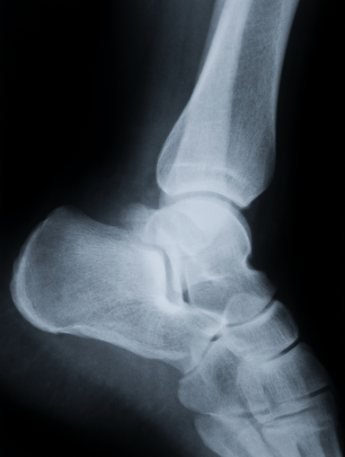
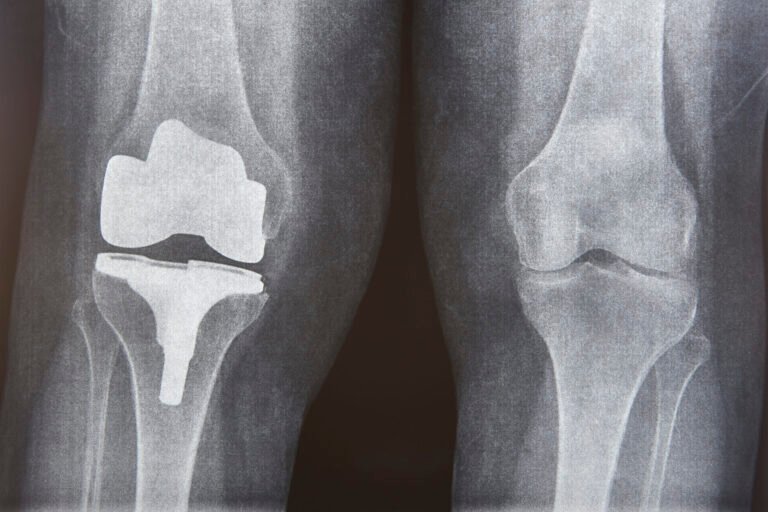
4. Imaging Tests
In advanced cases:
● X-rays
● MRI
These help check joint damage or complications.
Best ASO Titer and Joint Pain Treatment Options
Effective aso titer and joint pain treatment involves a combination of medical and supportive therapies.
1. Medications
Antibiotics
Used to eliminate bacterial infection and prevent complications.
Painkillers (NSAIDs)
These reduce inflammation and provide quick joint pain relief.
Anti-inflammatory Medicines
Help reduce swelling and improve joint movement.
Steroids (in severe cases)
Used when inflammation is high and not controlled by regular medicines.
2. Physiotherapy
Physiotherapy is a key part of long-term joint pain treatment.
Benefits:
● Improves flexibility
● Strengthens muscles
● Reduces stiffness
● Provides long-term joint pain relief
Common Exercises:
● Stretching exercises
● Strength training
● Balance exercises
3. Lifestyle Modifications
Simple lifestyle changes can reduce joint pain causes significantly.
Healthy Diet
● Include anti-inflammatory foods
● Eat protein-rich meals
Weight Management
Extra weight increases pressure on joints, especially causing knee joint pain.
Rest and Activity Balance
Avoid overuse of joints while staying active.
Hydration
Keeps joints lubricated and reduces stiffness.
4. Advanced Treatment Options
For severe cases:
● Steroid injections
● Immunotherapy
● Long-term medication plans
These help manage chronic inflammation and prevent joint damage.
Home Remedies for Joint Pain Relief
Along with medical treatment, home remedies can help improve symptoms:
Hot and Cold Therapy
● Ice packs reduce swelling
● Heat therapy relaxes muscles
Natural Remedies
● Turmeric milk
● Ginger tea
Light Exercise
Improves blood circulation and reduces stiffness.
Proper Rest
Essential for healing and recovery.
Types of Joint Pain in ASO Conditions
1. Knee Joint Pain
Most common due to high stress on knees.
2. Leg Joint Pain
Includes ankles and lower limb joints.
3. Migratory Joint Pain
Pain shifts from one joint to another, common in rheumatic conditions.
Recovery Timeline
Recovery depends on severity and treatment quality.
General Timeline:
● 1–2 weeks: Pain and swelling decrease
● 3–6 weeks: Movement improves
● 6–12 weeks: Normal activities resume
Important Note:
Following physiotherapy and medication ensures faster recovery.
Risks and Complications
If ignored, it can lead to:
● Chronic arthritis
● Joint damage
● Reduced mobility
● Heart complications
Early aso titer and joint pain treatment helps prevent these issues.
Prevention Tips
Prevention focuses on reducing infection risk and maintaining joint health.
Key Tips:
● Treat throat infections early
● Maintain hygiene
● Boost immunity
● Exercise regularly
● Avoid ignoring symptoms
When to See a Doctor
Seek medical help if:
● Persistent joint pain
● Severe knee joint pain
● Swelling with fever
● Difficulty in walking
FAQs
ASO (antistreptolysin O) titre measures antibodies the body makes after a group A streptococcal infection. The antibody itself does not cause joint pain. In some people, the immune response to the infection leads to conditions such as rheumatic fever or post-streptococcal reactive arthritis, which can cause joint inflammation.
Treatment depends on the diagnosis, not on the ASO number. It may include antibiotics, anti-inflammatory medicines and physiotherapy, as decided by your doctor. Do not start antibiotics or painkillers on the basis of a report alone.
Knees are among the large joints commonly affected in rheumatic fever and post-streptococcal arthritis, but knee pain has many other causes. A high ASO result alone does not show that your knee pain is linked to a streptococcal infection.
It depends on the diagnosis and its severity. Arthritis in rheumatic fever usually settles within days to a few weeks with treatment, while post-streptococcal reactive arthritis can last longer or recur. Your doctor can give a realistic timeline.
Prompt assessment and appropriate antibiotic treatment of streptococcal throat infections lowers the risk of rheumatic fever. Many other causes of joint pain cannot be prevented this way.
Not necessarily. A high ASO titre shows that your body has responded to streptococcal bacteria, but levels can stay raised for months after the infection has passed. Your doctor will look at your symptoms, may repeat the test, and may use a throat swab or other tests to decide whether an infection is present now.
There is no single normal value. The range depends on the laboratory, the test method and your age, and children usually have higher upper limits than adults. Check the reference range on your own report and ask your doctor to interpret the result alongside your symptoms.
Not automatically. A raised result with no symptoms does not by itself call for medicines. Your doctor will decide whether to repeat the test, look for signs of infection or heart involvement, or simply monitor you.
Conclusion
ASO titer and joint pain treatment is essential when joint pain is caused by infection-related inflammation. Ignoring symptoms can lead to serious complications, including chronic joint issues and systemic diseases.
With proper diagnosis, medication, physiotherapy, and lifestyle changes, you can achieve long-term joint pain relief and return to a healthy life.
Understanding the exact joint pain reason and taking early action is the best way to prevent long-term damage.