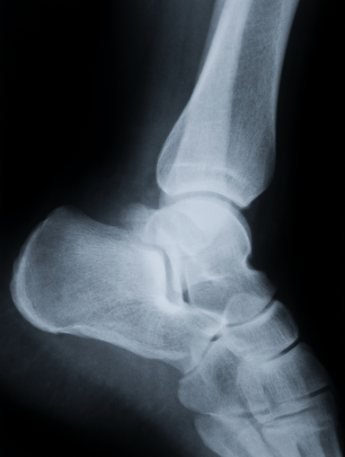
Before and After Knee Replacement Surgery: What to Expect with Robotic Technology
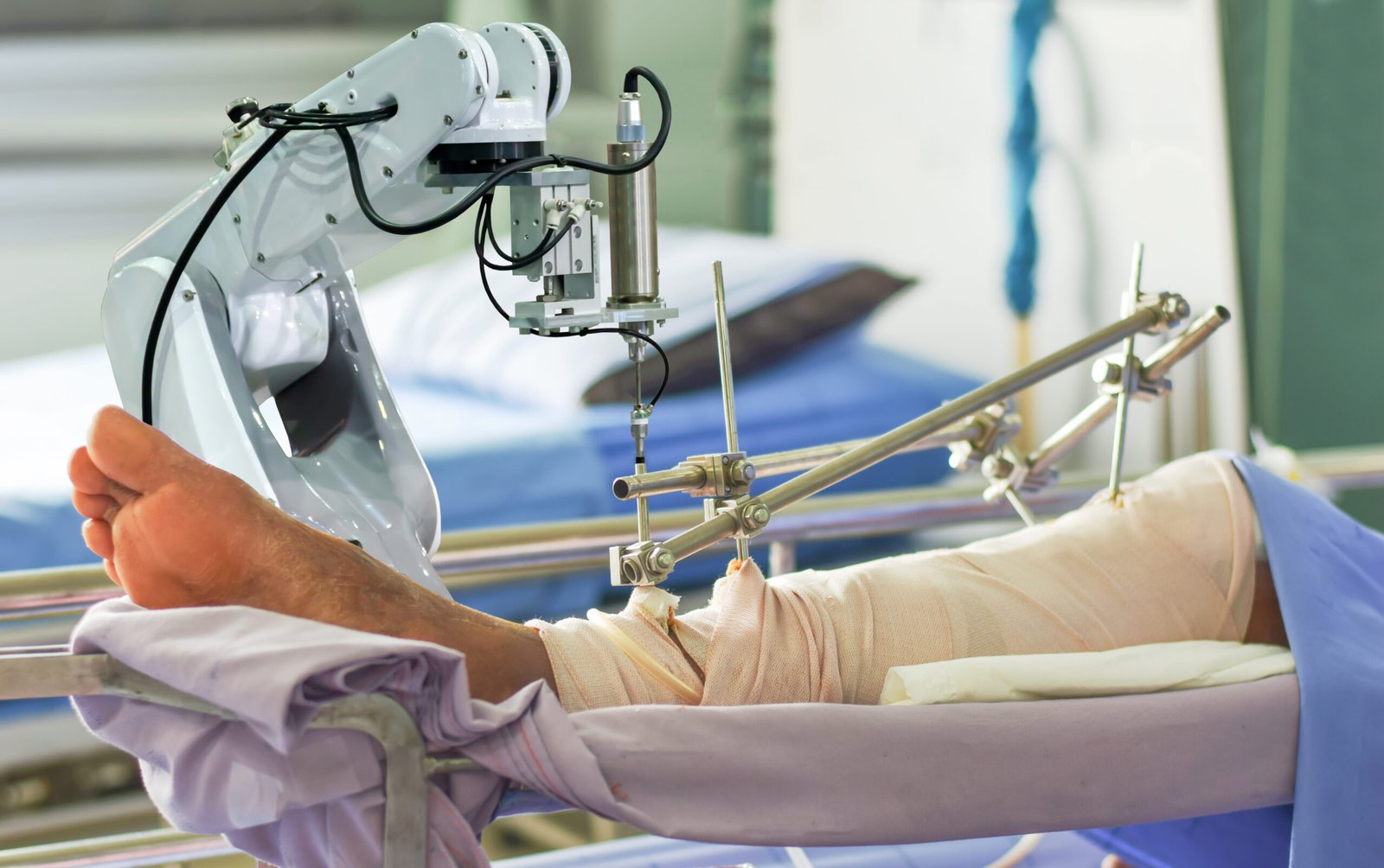
September 15, 2025 | By Dr. Himanshu Gupta

Table of Contents
ToggleBefore and After Knee Replacement Surgery with Robotic Technology
Knee pain and arthritis affect millions of people worldwide, often making even simple movements like climbing stairs or walking short distances extremely painful. For many, knee replacement surgery becomes the only effective solution. Patients often wonder: What to expect before and after knee replacement surgery? With the introduction of robotic knee replacement surgery, the process has become more precise, less painful, and offers faster recovery compared to traditional methods. In this blog, we’ll cover everything you need to know about before and after knee replacement surgery, including preparation, recovery time, cost in India, and how robotic technology is changing outcomes.
What Is Knee Replacement Surgery?
Knee replacement surgery (also called arthroplasty) is a procedure in which damaged knee joints caused by arthritis or injury are replaced with artificial implants. Traditional knee surgery relies on manual alignment, while modern robotic knee replacement surgery uses advanced 3D imaging to create a personalized surgical plan. For patients searching for what is robotic knee replacement, it’s important to know that robotics does not replace the surgeon but assists in enhancing precision, minimizing tissue damage, and improving long-term outcomes.
Before Knee Replacement Surgery – What Patients Should Know
Pre-Surgery Evaluation
Before surgery, patients undergo a thorough evaluation, including X-rays, MRI scans, and blood tests. Doctors also assess overall health, spine alignment, and knee structure. This helps in planning the procedure and reducing risks.
Preparing for Surgery
Lifestyle changes before surgery can improve results. Doctors recommend weight management, physiotherapy, and strengthening knee replacement exercises to prepare muscles. A diet rich in calcium and vitamin D supports bone health, while avoiding smoking and alcohol helps in faster healing.
Dangers of Delaying Knee Replacement Surgery
One major concern is the dangers of delaying knee replacement surgery. Postponing surgery can worsen joint damage, increase stiffness, and reduce mobility, making recovery longer and more difficult. Patients often report that their quality of life drastically improves after timely intervention.
After Knee Replacement Surgery – Recovery and Rehabilitation
Immediate Post-Surgery Care
In the first few days after robotic knee replacement surgery, patients may experience swelling, stiffness, and discomfort. Pain management, ice therapy, and gradual walking with assistance are introduced early to promote healing.
Knee Replacement Surgery Recovery Time
Recovery depends on age, health, and whether it’s robotic or traditional.
- ● First 2 weeks: Patients begin gentle mobility and strengthening exercises.
- ● Weeks 3–6: Swelling reduces, and walking without support becomes easier.
- ● Months 3–6: Most patients return to daily activities comfortably.
- ● 6–12 months: Full recovery, with long-lasting results.
On average, knee replacement surgery recovery time is 6–12 months, but with robotic assistance, many patients return to normal life sooner.
Knee Replacement Exercises
Exercises like straight leg raises, heel slides, and gentle cycling help restore mobility and strength. A physiotherapist will guide patients on which knee replacement exercises are safe and most effective.
Knee Replacement Surgery Success Rate
The knee replacement surgery success rate with robotic assistance is over 95%, with implants lasting 15–20 years. Patients often report improved confidence in walking, reduced pain, and better alignment compared to traditional methods.
Robotic Knee Replacement Surgery vs Traditional Surgery
Robotic surgery is changing knee replacement surgery outcomes. By using 3D imaging and robotic assistance, robotic knee replacement surgery ensures better implant alignment, less tissue damage, and shorter knee replacement surgery recovery time.
Compared to traditional methods, it offers a higher knee replacement surgery success rate, reduced pain, and faster return to daily activities — setting new standards in before and after knee replacement surgery results.
- ● Precision: Robotic knee surgery ensures highly accurate implant placement using 3D models. Traditional surgery relies on manual techniques.
- ● Recovery: Robotic knee replacement surgery recovery time is shorter due to minimal tissue damage. Traditional recovery may involve more swelling and pain.
- ● Customization: Robotic planning tailors implants to each patient’s anatomy. Traditional uses standard guides.
- ● Success Rate: Robotics shows better alignment and higher long-term success.
However, patients should also consider the advantages and disadvantages of robotic knee replacement. While robotics offers faster recovery and precision, the robotic knee replacement is available mainly in advanced hospitals.
Robotic Knee Replacement Surgery Cost in India
One of the most common questions is: What is the robotic knee replacement surgery cost in India? The cost is usually higher than traditional surgery because of advanced 3D imaging and precision tools.
However, many patients find the investment worthwhile since robotic knee replacement often ensures faster recovery, fewer complications, and a higher knee replacement surgery success rate.
The cost varies depending on:
● Hospital and city (Delhi NCR, Mumbai, Bangalore are higher)
● Surgeon’s expertise
● Type of implant used
● Single or double knee replacement
On average, the robotic knee replacement surgery cost in India is higher than traditional surgery, but patients often find the improved recovery, reduced complications, and higher success rate worth the investment.
FAQs About Before and After Knee Replacement Surgery
Q1. What is robotic knee replacement surgery?
It’s a type of knee surgery that uses robotic technology for precise implant placement, reducing pain and improving recovery.
Q2. How long is the recovery time after knee replacement surgery?
Most patients recover in 6–12 months, but robotic procedures often shorten recovery to as little as 6–8 weeks for daily activities.
Q3. What is the knee replacement surgery success rate?
The knee replacement surgery success rate is over 95%, with implants lasting 15–20 years. Most patients also experience significant pain relief and improved mobility after recovery.
Q4. What are the dangers of delaying knee replacement surgery?
Delaying knee replacement surgery can worsen arthritis, increase stiffness, and prolong recovery time. It may also lead to more complex surgery and reduced long-term outcomes.
Q5. What is the cost of robotic knee replacement surgery in India?
The cost varies, but robotic surgery is generally more expensive than traditional methods due to advanced technology.
Final Thoughts
Before and after knee replacement surgery experiences can vary, but with robotic knee replacement surgery, patients often report less pain, quicker recovery, and higher satisfaction rates. While the cost may be higher, the long-term benefits make it a worthwhile option for those suffering from chronic knee pain. Ultimately, understanding both robotic and traditional approaches helps patients make the best decision for their knee health and quality of life.
About Author
Dr. Himanshu Gupta
About Author
Dr. Himanshu Gupta
Dr. Himanshu Gupta
Robotic Joint Replacement Surgeon | Orthopaedic Surgeon | Knee, Shoulder & Sports Injury Specialist
Related Posts
How Serious Is a Hairline Fracture Ankle? Symptoms, Healing Time

Complete Guide to Knee Ligament Injury Treatment: Types, Recovery

ACL Injury Recovery Time: How Long Does It Take to Heal?
Pain in Upper Left Arm Between Elbow and Shoulder: Causes
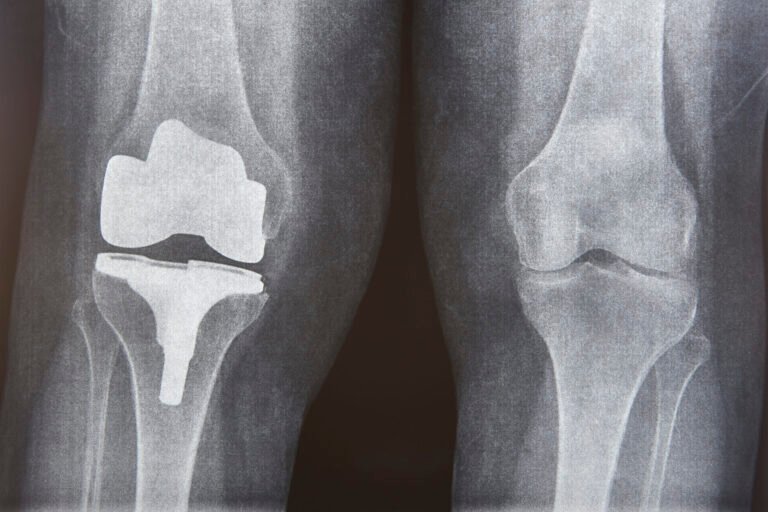
Segond Fracture and ACL Injury: Why They Often Occur Together

Carman Meniscus Sign: What It Is and How It Helps Diagnose Meniscus Tears