
Phone No
orthodrhimanshugupta@gmail.com
Location
Room No. 187, Max Hospital, W-3, Ashok Marg, near Radisson Blu Hotel, Sector-1, Vaishali, Ghaziabad, Uttar Pradesh 201010
Phone No
orthodrhimanshugupta@gmail.com
Location
Room No. 187, Max Hospital, W-3, Ashok Marg, near Radisson Blu Hotel, Sector-1, Vaishali, Ghaziabad, Uttar Pradesh 201010
Table of Contents
Toggle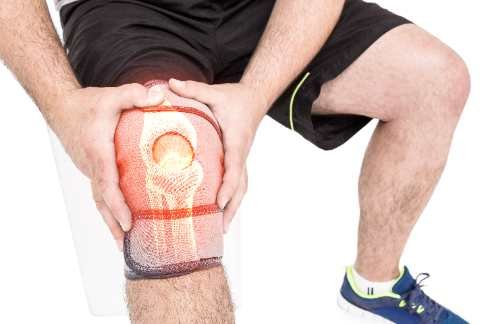
A knee ligament injury is one of the most common reasons people visit an orthopedic clinic, whether it happens on the sports field, during a fall, or from a sudden twist while walking. Understanding knee ligament injury treatment options — and knowing what recovery actually looks like — can make the difference between a full return to activity and a knee that never quite feels the same. This guide walks you through the types of knee ligament injuries, how doctors diagnose them, the full range of knee ligament injury treatment approaches, and what a realistic recovery timeline looks like.
The knee is held together by four main ligaments: the ACL (anterior cruciate ligament), PCL (posterior cruciate ligament), MCL (medial collateral ligament), and LCL (lateral collateral ligament). A knee ligament injury occurs when one or more of these bands of tissue is stretched, partially torn, or completely ruptured. This usually happens due to sudden direction changes, awkward landings, direct blows to the knee, or hyperextension during sports like football, basketball, skiing, or even simple household accidents.
Because ligaments provide the stability that lets the knee bend, twist, and bear weight safely, any damage to them can make the joint feel loose, wobbly, or unreliable. That instability is exactly why knee ligament injury treatment needs to be tailored to the specific ligament involved and the severity of the tear.
Types of Knee Ligament Injuries can vary from mild sprains to complete ligament tears, affecting knee stability and movement. Common types include ACL, PCL, MCL, and LCL injuries, each requiring proper diagnosis and treatment.
The ACL is the most frequently injured knee ligament, especially among athletes. It typically tears during sudden pivoting, jumping, or landing awkwardly, and often produces an audible “pop” at the moment of injury.
PCL tears are less common and usually result from a direct impact to the front of the knee, such as in a car accident or a hard fall onto a bent knee.
The MCL runs along the inner knee and is commonly injured by a direct hit to the outer knee, which forces the joint inward.
The LCL, located on the outer side of the knee, is damaged less often but can occur from a blow to the inner knee that pushes the joint outward.
Recognizing knee ligament injury symptoms early helps you get appropriate care before the damage worsens. Common signs include:
● A popping sound or sensation at the time of injury
● Swelling that develops within a few hours
● Pain along the joint line or deep inside the knee
● A feeling of the knee “giving way” or buckling under weight
● Limited range of motion or difficulty fully straightening the leg
● Visible instability when walking or turning
If you notice several of these knee ligament injury symptoms together, it’s a strong signal that you need a professional evaluation rather than waiting it out.
Understanding how to test for knee ligament injury helps set expectations before your clinic visit. Doctors typically use a combination of the following:
1. Physical examination – Tests like the Lachman test, anterior/posterior drawer test, and varus/valgus stress tests help assess ligament laxity and joint stability.
2. MRI scan – This is the gold standard for confirming which ligament is torn and how severe the damage is, since it clearly shows soft tissue.
3. X-ray – While X-rays don’t show ligaments directly, they help rule out fractures or bone involvement.
4. Ultrasound – Sometimes used for a quicker, cost-effective look at ligament and
soft tissue integrity.
Combining a hands-on exam with imaging is generally the most reliable way to confirm a diagnosis before starting knee ligament injury treatment.
Knee ligament injury treatment depends heavily on which ligament is affected, the grade of the tear (partial or complete), the patient’s activity level, and overall knee
stability. Broadly, treatment falls into two categories.
For mild to moderate sprains — particularly MCL and some PCL injuries — non-surgical knee ligament injury treatment is often effective. This typically includes:
● R.I.C.E. protocol (rest, ice, compression, elevation) in the first 48–72 hours
● Anti-inflammatory medication to manage pain and swelling
● A structured physical therapy program to restore strength and range of motion
● Temporary use of a knee support for ligament injury to protect the joint during
healing
● Gradual return to activity guided by a physiotherapist
Complete ACL tears, and some severe PCL, MCL, or LCL injuries, often require surgical reconstruction, especially for athletes or physically active individuals who want
to return to high-demand activities. Surgical knee ligament injury treatment usually involves:
● Arthroscopic ligament reconstruction using a graft (from the patient’s own tissue or a donor)
● Repair of any accompanying meniscus or cartilage damage
● A structured post-surgical rehabilitation plan
Choosing between surgical and non-surgical knee ligament injury treatment should always be a shared decision between the patient and an experienced orthopedic specialist, based on lifestyle, age, and long-term joint goals.
Rehabilitation is arguably the most important part of recovery, regardless of whether surgery is involved. Effective knee ligament injury treatment exercises are introduced in stages:
Early stage (weeks 1–2): Gentle range-of-motion exercises, ankle pumps, and quad sets to reduce stiffness without stressing the healing ligament.
Strengthening stage (weeks 3–8): Straight-leg raises, mini-squats, step-ups, and stationary cycling to rebuild muscle support around the joint.
Advanced stage (weeks 8 onward): Balance training, controlled lateral movements, and sport-specific drills to prepare the knee for full activity.
A well-designed exercise for knee ligament injury program doesn’t just rebuild strength — it retrains balance and coordination, which are often lost after an injury.
Physiotherapists frequently include:
● Single-leg balance drills on stable and unstable surfaces
● Resistance band work for the quadriceps and hamstrings
● Controlled lunges to rebuild functional strength
● Proprioception exercises to reduce the risk of re-injury
Skipping this stage, even after successful surgery, significantly increases the risk of re-tearing the ligament.
Bracing plays a supportive role throughout recovery. The best knee cap for ligament injury depends on the injury stage:
● Hinged knee braces offer the most support and are typically recommended right after an ACL or PCL injury or post-surgery.
● Compression sleeves work well for milder sprains, offering warmth and mild support during daily activity.
● Wraparound knee supports are useful during the return-to-sport phase, offering flexibility with moderate stability.
A good knee support for ligament injury should feel snug without cutting off circulation, and should be selected in consultation with your treating doctor or physiotherapist rather than picked off a shelf at random.
The knee ligament injury recovery period varies widely based on the ligament involved and treatment path:
● Mild MCL sprain (Grade 1): 2–4 weeks
● Moderate sprain (Grade 2): 4–8 weeks
● Complete tear treated non-surgically: 2–3 months
● ACL reconstruction: 6–9 months for full return to sport
● PCL or combined ligament reconstruction: 9–12 months in more complex cases
Patience during the knee ligament injury recovery period matters more than most people expect — returning to high-impact activity too early is one of the leading causes
of re-injury.
If you’re experiencing persistent swelling, instability, or pain that isn’t improving with rest, it’s time to consult an orthopedic specialist rather than self-managing the injury. Dr. Himanshu Gupta, a well-regarded orthopedic and knee specialist, is known for his patient-focused approach to diagnosing and treating knee ligament injuries, combining accurate imaging-based diagnosis with individualized, evidence-based treatment plans — whether that means guided physiotherapy or advanced arthroscopic surgery. Consulting a specialist like Dr. Himanshu Gupta early can help you avoid long-term joint instability and get a recovery plan built specifically around your injury and lifestyle.
It depends on which ligament is torn and how severe the tear is. Partial sprains often heal with physiotherapy, while complete ACL tears in active individuals usually need surgical reconstruction. An MRI and specialist consultation will confirm the right path.
Mild sprains can improve with rest, bracing, and physiotherapy. However, complete tears rarely heal fully without proper treatment, and ignoring symptoms can lead to chronic instability.
Non-surgical recovery can take a few weeks to a few months, while surgical reconstruction typically requires 6–9 months of rehabilitation before a full return to sport.
While a doctor’s physical exam and MRI are the most reliable methods, warning signs at home include swelling, instability while walking, and a knee that feels like it might “give way.
Yes, but only with the right, guided exercises. Early-stage range-of-motion work should be gentle, and strengthening exercises should be introduced gradually under professional supervision to avoid worsening the injury.
You should see an orthopedic specialist promptly if you experience:
Early diagnosis significantly improves treatment planning and can shorten overall ACL injury recovery time.

EXCELLENTTrustindex verifies that the original source of the review is Google. Very satisfied with my treatment for knee pain. Its very painful for me to walk. But I am under treatment with dr. Himanshu Gupta and now I am perfectly fine. No pain, and now I can walk properly without any pain. Dr. Himanshu Gupta is very well trained doctor I've ever seenPosted on GoogleTrustindex verifies that the original source of the review is Google. I consulted Dr Himanshu Gupta for the Mother's knee pain and I am extremely grateful for the excellent care I received. Dr. Gupta was highly professional, knowledgeable, and made me feel at ease throughout the process. The hospital staff was attentive, ensuring a smooth and comfortable experience. It had a clean and friendly environment.Posted on GoogleTrustindex verifies that the original source of the review is Google. Dr. Gupta’s diagnosis has always been spot-on, and his approach to treatment was both thorough and reassuring. He took the time to patiently explain every step of the process, answering all our questions with clarity and empathy—something that made my mother feel confident and cared for throughout her recovery. Highly recommend Dr. Himanshu Gupta to anyone looking for an experienced and genuinely caring orthopedic specialist.Posted on GoogleTrustindex verifies that the original source of the review is Google. My mother operated here for her knee replacement. I totally recommend to visit here for ortho related problems. The results are amazing Best experience ever. Very satisfied with the robotic knee surgery. Staff is very professional and helpful. Dr. Himanshu Gupta is highly skilled in Robotic surgery. And so supportive during my mother's treatmentPosted on GoogleTrustindex verifies that the original source of the review is Google. Dr. Himanshu Gupta is an amazing orthopaedic. He treated my ACL problem with great care and expertise. His professionalism, explanation of treatment, and follow-up care were top-notch. Highly recommend for anyone needing orthopaedic care. My Surgery was also went smooth and successful Hospital's Pre & Post Care was very excellent. Staff was also so helpful during my stay.Posted on GoogleTrustindex verifies that the original source of the review is Google. I have expressed high satisfaction with Dr. Himanshu Gupta's friendliness, treatment, and explanation of health issues.Posted on GoogleTrustindex verifies that the original source of the review is Google. Dr. Himashu Gupta , Amicare Hospital, Indirapuram is the one of the best Doctor of Orthopaedic and also with loveble baheviour to every patient with care treatments, All the decoram of this Hospital have very fine and reasonable to treatment. All Staff of Hospital is too cooperative with good human behaviour.Posted on GoogleTrustindex verifies that the original source of the review is Google. Dr.Himanshu Gupta is very knowledgeable Doctor . My Knee surgery was successfully .Posted on GoogleTrustindex verifies that the original source of the review is Google. Good check up and doctor checkup is technique is perfectPosted on GoogleTrustindex verifies that the original source of the review is Google. Dr. Himanshu has deep knowledge of his subject. He is very caring and explains the diagnosis and treatment to the patient. My wife was under his treatment several times and got quick relief. Amicare hospital has good facilities and gives quick service under one roof.

Dr. Himanshu Gupta is a highly trusted and skilled orthopedic specialist, known for delivering expert care and personalized treatment.
orthodrhimanshugupta@gmail.com
Room No. 187, Max Hospital, W-3, Ashok Marg, near Radisson Blu Hotel, Sector-1, Vaishali, Ghaziabad, Uttar Pradesh 201010
Copyright 2026 © All Right Reserved
Fill the form and our team will get back to you shortly.