
Phone No
+91 9650510275
orthodrhimanshugupta@gmail.com
Location
Plot No. 15/16 Nyay Khand- 1, Ghaziabad.
+91 9650510275
orthodrhimanshugupta@gmail.com
Plot No. 15/16 Nyay Khand- 1, Ghaziabad.
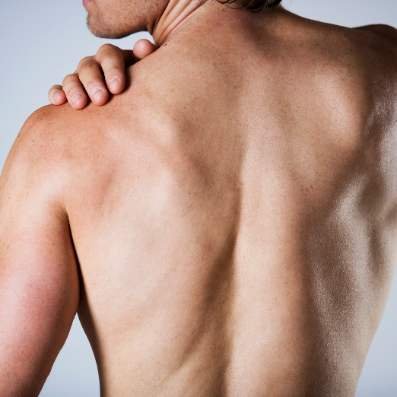
A posterior shoulder dislocation is a rare but serious shoulder injury that occurs when the upper arm bone (humerus) slips backward out of the shoulder socket. Although it accounts for only 2–5% of all shoulder dislocations, it is often misdiagnosed because the symptoms can resemble other shoulder conditions. Early diagnosis and proper treatment are essential to restore shoulder function and prevent long-term complications.
Whether caused by sports injuries, road accidents, falls, or seizures, timely orthopedic care can help patients recover faster and safely return to daily activities.
A posterior shoulder dislocation occurs when the ball of the shoulder joint moves behind the shoulder socket instead of staying in its normal position. Unlike an anterior shoulder dislocation, which is much more common, posterior dislocations are uncommon and can easily be missed during the first medical examination.
A shoulder joint dislocation affects the stability of the shoulder and may also injure the surrounding muscles, ligaments, cartilage, and tendons if not treated on time.
This injury usually happens when a strong force pushes the shoulder inward while the arm is rotated internally. High-impact trauma, sports injuries, seizures, and electric shocks are among the leading causes.
The main difference lies in the direction of the dislocation. In an anterior shoulder dislocation, the upper arm bone moves forward, whereas in a posterior shoulder dislocation, it moves backward. Posterior dislocations are less common but often more difficult to diagnose.
Understanding the causes helps reduce the risk of future injuries and encourages early treatment.
Contact sports like cricket, football, rugby, wrestling, and weightlifting place repeated stress on the shoulder joint. Sudden tackles, falls, or awkward landings may result in a dislocated shoulder.
Falling directly onto the shoulder or being involved in a road traffic accident can generate enough force to push the shoulder backward out of its socket.
Powerful muscle contractions during seizures or electric shock are one of the most common non-traumatic causes of posterior shoulder dislocation.
Patients who have previously experienced a shoulder dislocation or instability are more likely to suffer another injury if rehabilitation is incomplete.
The symptoms may vary depending on the severity of the injury, but most patients experience immediate pain and restricted shoulder movement.
Severe pain begins immediately after the injury. The shoulder becomes stiff, making everyday activities difficult.
Patients often find it difficult to rotate the arm outward or lift it above shoulder level. The shoulder may feel locked in one position.
Swelling develops around the shoulder joint within a few hours. Weakness is common because the surrounding muscles cannot function normally.
If you notice persistent pain, reduced movement, or dislocated shoulder symptoms after a fall or sports injury, seek orthopedic care immediately. Delayed treatment may increase the risk of permanent damage.
Accurate diagnosis is the first step toward successful recovery. Your orthopedic specialist will assess your symptoms, examine shoulder movement, and recommend imaging tests.
The doctor checks shoulder alignment, movement, pain level, and nerve function to identify possible instability.
Standard X-rays help confirm the position of the shoulder joint. Additional views may
MRI evaluates soft tissue injuries such as rotator cuff tears or labral damage, while C
Treatment depends on the severity of the injury, associated fractures, and the time elapsed since the injury occurred.
The first step is usually shoulder dislocation reduction, a procedure in which the orthopedic surgeon carefully repositions the shoulder back into its normal location. This should only be performed by a trained medical professional.
After reduction, the shoulder is supported with a sling for several weeks. Pain-relieving medications and ice therapy help reduce swelling and discomfort.
Rehabilitation plays a major role in restoring flexibility, improving muscle strength, and preventing future instability. A personalized physiotherapy program ensures gradual recovery.
Some patients require shoulder dislocation surgery, particularly if there are fractures, recurrent instability, or significant ligament and labral injuries. Arthroscopic surgery is commonly used because it involves smaller incisions and faster recovery.
Recovery varies from person to person depending on the severity of the injury and treatment method.
Most patients begin gentle movement after a few weeks of immobilization. Complete recovery may take three to six months, especially for athletes.
Once healing begins, supervised shoulder dislocation exercise programs help strengthen the rotator cuff and shoulder muscles while improving flexibility and stability.
Athletes should only return to sports after receiving medical clearance. Returning too early increases the risk of another dislocation.
Early diagnosis and treatment significantly improve recovery outcomes. Patients who receive prompt orthopedic care usually experience less pain, better shoulder movement, faster healing, and a lower risk of chronic instability. Timely intervention also helps prevent arthritis and long-term joint damage.
Ignoring a posterior shoulder dislocation can lead to permanent shoulder stiffness, recurrent instability, cartilage damage, rotator cuff injuries, nerve problems, and early arthritis. Delayed treatment often makes recovery longer and may increase the need for surgery.
Although every injury cannot be prevented, maintaining strong shoulder muscles and using proper sports techniques can reduce the risk.
Warm up before sports, strengthen the rotator cuff muscles, avoid repetitive shoulder strain, use proper protective equipment, and complete rehabilitation after any previous shoulder injury.
If you are experiencing shoulder pain or instability, choosing an experienced orthopedic surgeon is essential for the best possible outcome.
Dr. Himanshu Gupta is a renowned orthopedic and sports injury specialist with 25+ years of experience in treating complex shoulder conditions. Throughout his medical journey, he has successfully managed thousands of orthopedic and sports injury cases using advanced diagnostic methods, evidence-based treatments, and modern arthroscopic shoulder surgery techniques.
From accurate diagnosis to complete rehabilitation, Dr. Himanshu Gupta provides personalized treatment plans designed to restore shoulder strength, improve mobility, relieve pain, and help patients return to their active lifestyle with confidence.
Posterior shoulder dislocation is a condition where the upper arm bone moves backward out of the shoulder socket. It is less common than anterior shoulder dislocation and requires prompt medical treatment.
Common symptoms include severe shoulder pain, swelling, stiffness, limited movement, weakness, and difficulty rotating the arm.
Yes. Many patients recover with shoulder dislocation reduction, sling support, medication, and physiotherapy. Surgery is recommended only in severe or recurrent cases.
Recovery usually takes three to six months depending on the severity of the injury, surgical procedure, and rehabilitation program.
You should never attempt to fix a dislocated shoulder yourself. Immediate medical attention is necessary so that a qualified orthopedic specialist can safely perform the reduction and prevent complications.
Choosing the right bone and joint hospital is essential for achieving the best orthopedic outcomes. From accurate diagnosis and advanced surgical techniques to comprehensive rehabilitation, every aspect of care influences recovery and long-term quality of life.
Patients should prioritize expertise, technology, patient safety, and proven surgical success when evaluating orthopedic facilities.
With more than 25 years of experience and 10,000+ successful surgeries, Dr. Himanshu Gupta has earned a reputation for delivering expert orthopedic care and helping patients regain mobility, independence, and confidence. Whether you are dealing with arthritis, sports injuries, fractures, or joint replacement needs, selecting an experienced orthopedic specialist and a trusted hospital can make all the difference in your recovery journey.

EXCELLENTTrustindex verifies that the original source of the review is Google. Very satisfied with my treatment for knee pain. Its very painful for me to walk. But I am under treatment with dr. Himanshu Gupta and now I am perfectly fine. No pain, and now I can walk properly without any pain. Dr. Himanshu Gupta is very well trained doctor I've ever seenPosted on GoogleTrustindex verifies that the original source of the review is Google. I consulted Dr Himanshu Gupta for the Mother's knee pain and I am extremely grateful for the excellent care I received. Dr. Gupta was highly professional, knowledgeable, and made me feel at ease throughout the process. The hospital staff was attentive, ensuring a smooth and comfortable experience. It had a clean and friendly environment.Posted on GoogleTrustindex verifies that the original source of the review is Google. Dr. Gupta’s diagnosis has always been spot-on, and his approach to treatment was both thorough and reassuring. He took the time to patiently explain every step of the process, answering all our questions with clarity and empathy—something that made my mother feel confident and cared for throughout her recovery. Highly recommend Dr. Himanshu Gupta to anyone looking for an experienced and genuinely caring orthopedic specialist.Posted on GoogleTrustindex verifies that the original source of the review is Google. My mother operated here for her knee replacement. I totally recommend to visit here for ortho related problems. The results are amazing Best experience ever. Very satisfied with the robotic knee surgery. Staff is very professional and helpful. Dr. Himanshu Gupta is highly skilled in Robotic surgery. And so supportive during my mother's treatmentPosted on GoogleTrustindex verifies that the original source of the review is Google. Dr. Himanshu Gupta is an amazing orthopaedic. He treated my ACL problem with great care and expertise. His professionalism, explanation of treatment, and follow-up care were top-notch. Highly recommend for anyone needing orthopaedic care. My Surgery was also went smooth and successful Hospital's Pre & Post Care was very excellent. Staff was also so helpful during my stay.Posted on GoogleTrustindex verifies that the original source of the review is Google. I have expressed high satisfaction with Dr. Himanshu Gupta's friendliness, treatment, and explanation of health issues.Posted on GoogleTrustindex verifies that the original source of the review is Google. Dr. Himashu Gupta , Amicare Hospital, Indirapuram is the one of the best Doctor of Orthopaedic and also with loveble baheviour to every patient with care treatments, All the decoram of this Hospital have very fine and reasonable to treatment. All Staff of Hospital is too cooperative with good human behaviour.Posted on GoogleTrustindex verifies that the original source of the review is Google. Dr.Himanshu Gupta is very knowledgeable Doctor . My Knee surgery was successfully .Posted on GoogleTrustindex verifies that the original source of the review is Google. Good check up and doctor checkup is technique is perfectPosted on GoogleTrustindex verifies that the original source of the review is Google. Dr. Himanshu has deep knowledge of his subject. He is very caring and explains the diagnosis and treatment to the patient. My wife was under his treatment several times and got quick relief. Amicare hospital has good facilities and gives quick service under one roof.

Dr. Himanshu Gupta is a highly trusted and skilled orthopedic specialist, known for delivering expert care and personalized treatment.
+91 9650510275
orthodrhimanshugupta@gmail.com
Room No. 187, Max Hospital, W-3, Ashok Marg, near Radisson Blu Hotel, Sector-1, Vaishali, Ghaziabad, Uttar Pradesh 201010
Privacy Policy | Term and Conditions | Sitemap
Copyright 2025 © All Right Reserved Design
Copyright 2026 © All Right Reserved Design
Fill the form and our team will get back to you shortly.