Phone No

+91 9650510275

Email

orthodrhimanshugupta@gmail.com

Location

Room No. 187, Max Hospital, W-3, Ashok Marg, near Radisson Blu Hotel, Sector-1, Vaishali, Ghaziabad, Uttar Pradesh 201010

Tennis Elbow Treatment

Home / Service Detail

Tennis Elbow Treatment

Tennis Elbow Treatment in Ghaziabad – Expert Care for Lasting Relief

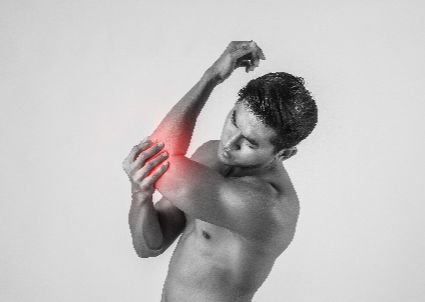
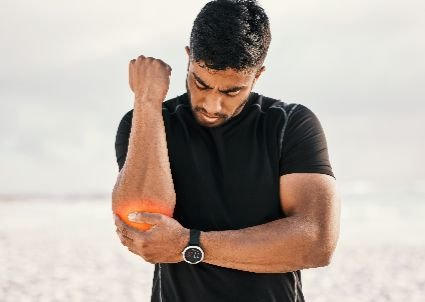
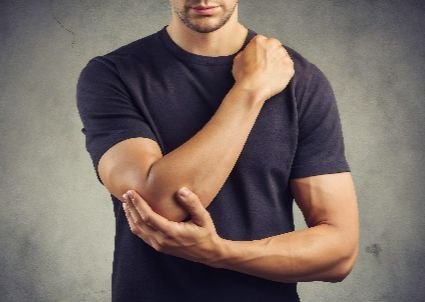
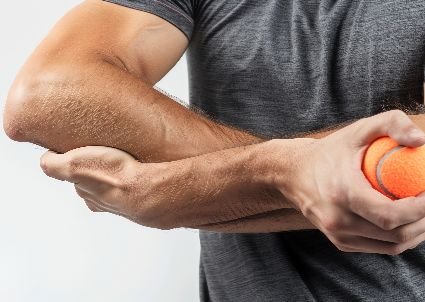
Tennis elbow, also known as lateral epicondylitis, is a common condition that causes pain around the outer part of the elbow due to overuse or repetitive strain. It occurs when the tendons that connect the forearm muscles to the elbow become inflamed or irritated.

Despite its name, this condition doesn’t only affect athletes — anyone who frequently lifts, types, paints, or grips objects tightly can experience it. The pain often worsens with everyday activities like turning a doorknob, lifting a cup, or shaking hands.

Patients seeking tennis elbow treatment in Ghaziabad can consult Dr. Himanshu Gupta for evaluation of elbow pain, tenderness, and reduced grip strength. Treatment may include activity modification, physiotherapy, medication, or other options based on the severity of the condition and the patient’s needs.

To Book Appointment Call us
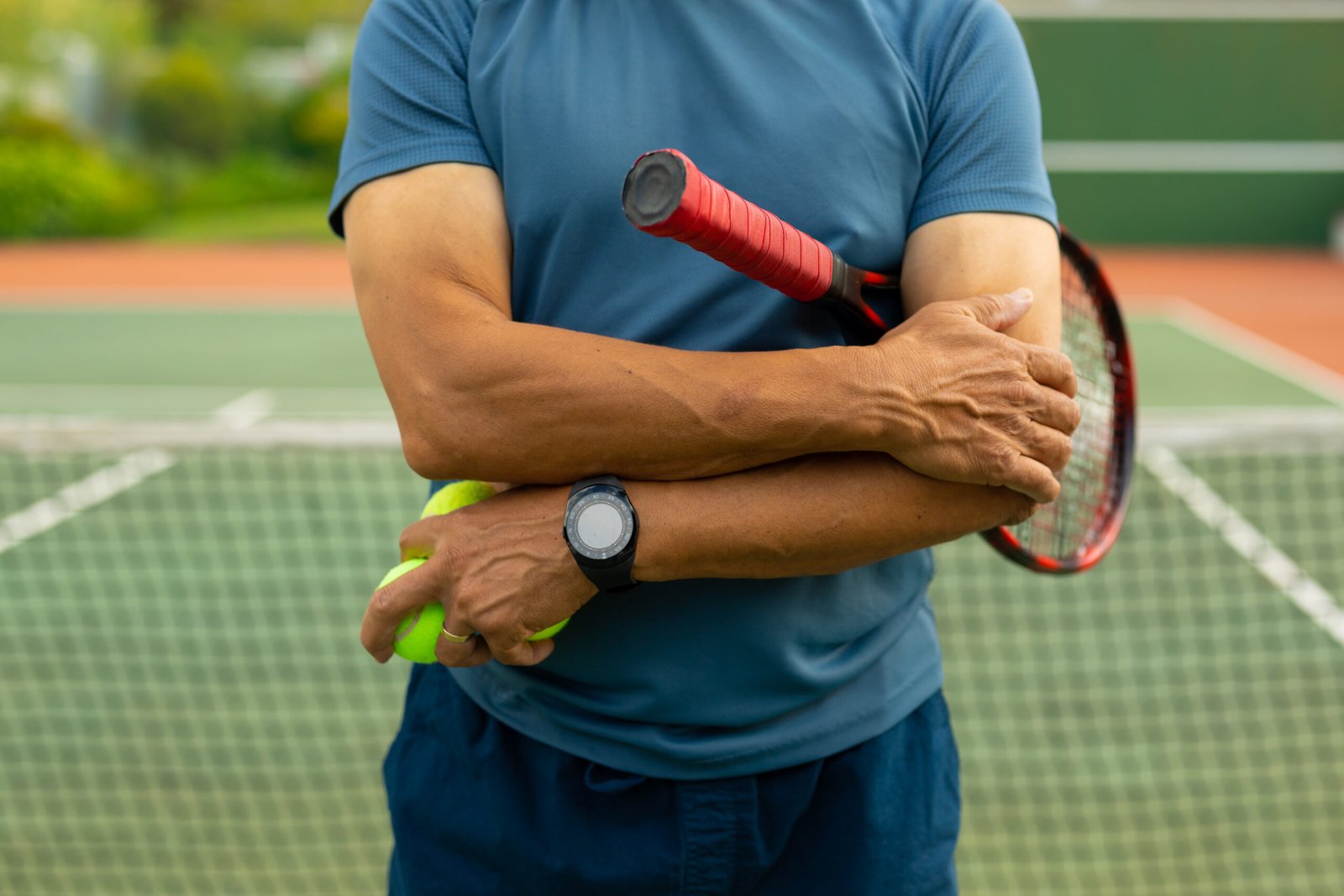
What Is Tennis Elbow?

Tennis elbow is an inflammation or degeneration of the tendons connecting the forearm muscles to the outer elbow bone. It develops gradually due to repetitive strain, common among athletes, office workers, and manual laborers.

Common Causes of Tennis Elbow

Identifying the tennis elbow causes early helps prevent severe pain and chronic tendon damage.

Share Your Report on WhatsApp & Get a Free Consultation

SIGNS YOU MAY NEED TENNIS ELBOW TREATMENT

OUTER ELBOW PAIN

Sharp or burning pain on the outside of the elbow, especially during gripping or lifting activities.

WEAK GRIP STRENGTH

Difficulty holding objects firmly or performing tasks that require hand strength due to tendon strain.

STIFFNESS & TENDERNESS

Morning stiffness or tenderness around the elbow joint that worsens with repetitive movements.

PERSISTENT DISCOMFORT

Pain that does not improve with rest or over-the-counter medication, affecting work or sports performance.

Surgical vs Non-Surgical Tennis Elbow Treatment: Which Is Better?

Aspect

Non-Surgical Tennis Elbow Treatment

Surgical Tennis Elbow Treatment

Approach

Involves rest, physiotherapy, medication, and the use of tennis elbow belts or straps.

Performed by a tennis elbow surgery specialist using minimally invasive techniques to repair damaged tendons.

Best For

Mild to moderate cases or early-stage inflammation.

Chronic or severe cases that don’t respond to non-surgical therapy.

Procedure Type

Conservative, no incision or hospitalization required.

Arthroscopic or open surgery for tendon repair or removal of damaged tissue.

Recovery Time

Usually 4–8 weeks with physiotherapy and gradual exercise.

Around 3–6 months with guided post-surgery rehabilitation.

Success Rate

85–90% success with early intervention and lifestyle correction.

95–97% success with advanced surgical precision and rehabilitation.

Pain Relief

Gradual reduction in pain with therapy and rest.

Significant pain relief once healing is complete.

Cost Factor

More affordable and accessible treatment option.

Slightly higher cost due to surgical and hospital expenses.

Rehabilitation Needs

Regular physiotherapy and strengthening exercises.

Structured physiotherapy after surgery for joint stability and strength.

Risk of Recurrence

Possible if repetitive strain continues.

Very low when combined with proper recovery and preventive care.

Types of Tennis Elbow Treatment

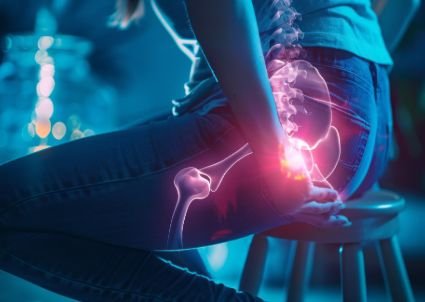
TOTAL HIP REPLACEMENT

Pain that doesn’t go away—even while resting or sleeping—could be a sign your hip joint is damaged.

PARTIAL REPLACEMENT

Difficulty in walking, bending, or putting on shoes and socks due to reduced joint and back mobility.

MINIMAL REPLACEMENT

Difficulty with everyday movements such as sitting, standing, or climbing stairs due to hip problems.

BILATERAL REPLACEMENT

A noticeable limp or difficulty walking properly, often caused by persistent hip pain, joint stiffness.

ANTERIOR REPLACEMENT

Pain that doesn’t go away—even while resting or sleeping—could be a sign your hip joint is damaged.

Conservative Management

Physiotherapy & Bracing

Injection Therapies

Surgical Intervention

Non-Surgical Tennis Elbow Treatment Options

Most patients recover with non-surgical treatments, which help reduce pain and restore mobility. Common options include:

1. Medication and Rest

Anti-inflammatory medicines and rest reduce pain and swelling, allowing tendons to heal naturally.

A tennis elbow physiotherapy program includes stretching, strengthening, and manual therapy. It helps rebuild tendon strength and prevents recurrence.

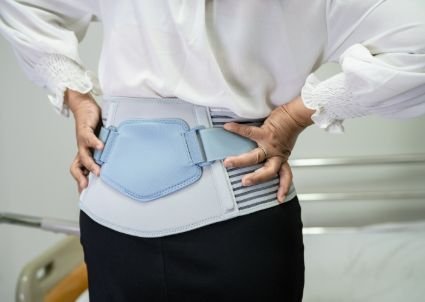
3. Tennis Elbow Belt or Strap

Using a tennis elbow belt or tennis elbow support strap provides compression, reducing stress on tendons during movement.

4. Physical Therapy Exercises for Tennis Elbow

Exercises play a major role in recovery. Common tennis elbow treatment exercises include:

These tennis elbow physiotherapy treatments should always be performed under expert supervision.

5. Injections and Advanced Therapies

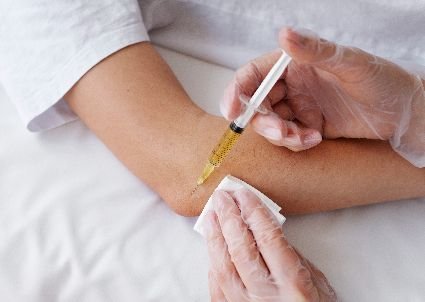
In resistant cases, platelet-rich plasma (PRP) injections or corticosteroid injections may help accelerate healing.

Tennis Elbow Symptoms You Shouldn’t Ignore

Recognizing symptoms early is key to effective tennis elbow treatment and long-term recovery. The condition may start with mild discomfort but can progress into severe, activity-limiting pain if left untreated.

You may need Tennis Elbow Treatment if you experience:

Ignoring these symptoms can lead to chronic inflammation and tendon degeneration. Seeking tennis elbow treatment in Ghaziabad early ensures faster healing, improved mobility, and long-term relief.

Recovery Timeline After Tennis Elbow Treatment

Recovery duration depends on the severity of the injury and the treatment approach.

Typical Recovery Milestones:

First 2 Weeks –

Focus on pain control, swelling reduction, and complete rest of the affected arm. Avoid repetitive strain and apply cold compresses as recommended.

Weeks 3–6 –

Begin supervised physiotherapy sessions focusing on flexibility, stretching, and mild strengthening exercises for the forearm muscles.

3–6 Months –

Gradual return to sports, gym routines, or heavy physical activities under expert guidance.

Long-Term Maintenance –

Continue light exercises and proper posture habits to prevent recurrence.

Following prescribed exercises, using supportive aids like a tennis elbow strap, and adhering to your doctor’s medical advice ensure faster healing and protect the tendons from re-injury.

Diagnosis of Tennis Elbow

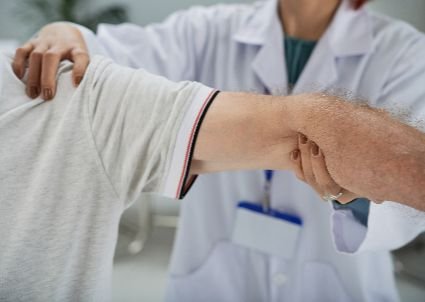
An accurate diagnosis is crucial for successful tennis elbow treatment in Ghaziabad and long-term recovery. Since symptoms can overlap with other conditions such as arthritis or nerve entrapment, a detailed evaluation by a tennis elbow specialist is essential.

During your consultation, the specialist may recommend the following:

This comprehensive diagnostic process ensures that every patient receives a personalized tennis elbow treatment plan tailored to their condition—whether it involves physiotherapy, medications, or minimally invasive procedures.

Tennis Elbow Surgery

If conservative treatments fail after several months, surgery may be recommended.

When Is Tennis Elbow Surgery Needed?

Tennis elbow surgery may be considered in selected cases when symptoms continue despite appropriate non-surgical treatment. The procedure and recovery plan depend on the tendon condition and the patient’s individual needs. After surgery, rehabilitation helps gradually restore strength and function. Patients should follow their treating surgeon’s guidance before returning to work, sports, or strenuous activities.

Post-Surgery Recovery

Most patients resume light activities within 2–3 weeks and return to full function within 2–3 months, guided by physiotherapy.

WHY CHOOSE DR. HIMANSHU GUPTA FOR YOUR HIP SURGERY?

Dr. Himanshu Gupta is a leading orthopedic surgeon in Delhi NCR, widely recognized for his excellence in robotic hip replacement surgery. With years of clinical experience and a patient-centric approach, he has transformed the lives of countless individuals suffering from chronic hip pain, limited mobility, and degenerative joint conditions. By incorporating cutting-edge technology and minimally invasive techniques, Dr. Gupta ensures high precision, reduced blood loss, smaller incisions, and a faster return to daily life. His approach minimizes complications and maximizes joint longevity, making it an ideal solution for both elderly patients and active individuals seeking lasting relief.

Why Choose Dr. Himanshu Gupta for Tennis Elbow Treatment in Ghaziabad

Dr. Himanshu Gupta is an orthopedic surgeon with over 20 years of experience in orthopedic care. He evaluates conditions affecting the elbow, including tennis elbow, also known as lateral epicondylitis.

Treatment planning may include assessment of the patient’s symptoms, physical examination, and relevant diagnostic tests. Depending on the condition, care may involve activity modification, physiotherapy, medication, or surgical evaluation for persistent cases.

20+

years of orthopedic experience

15,000+

orthopedic surgeries

2,000+

robotic surgeries

55,000+

patients treated

Patients seeking tennis elbow treatment in Ghaziabad can consult Dr. Himanshu Gupta at Max Hospital, Vaishali, for orthopedic evaluation and treatment guidance.

Preventive Tips for Tennis Elbow

Prevention plays a major role in avoiding repetitive tendon strain and ensuring the long-term success of Tennis Elbow Treatment. Whether you are an athlete, desk worker, or laborer, adopting the right preventive strategies can greatly reduce your risk of developing tennis elbow again.

To prevent recurrence and maintain joint health:

Warm Up Before Activity –

Always stretch and warm up before sports or lifting heavy objects to prepare muscles and tendons.

Use Ergonomic Tools & Tennis Elbow Straps –

Proper support during repetitive movements minimizes pressure on tendons.

Strengthen Forearm Muscles –

Include guided forearm and wrist-strengthening exercises as part of your routine.

Avoid Repetitive Motions –

Take frequent breaks during activities involving constant gripping or twisting.

Follow a Balanced Routine –

Combine rest, strengthening, and stretching to enhance tendon flexibility and recovery.

Consistent care, proper ergonomics, and following expert advice from a tennis elbow doctor in Ghaziabad, like Dr. Himanshu Gupta, can protect your elbow from chronic pain and long-term inflammation.

FREQUENTLY ASKED QUESTION (FAQ'S)

Through a combination of physical examination and imaging tests, such as X-rays or MRI, to detect tendon inflammation or tears.

Mild cases can improve with rest and home remedies, but persistent pain requires medical treatment and physiotherapy.

Recovery usually takes 2–6 months, depending on the severity of the condition and adherence to therapy.

No. Surgery is only needed in rare, severe cases when conservative treatments fail to relieve symptoms.

Yes, physiotherapy and rehabilitation exercises help restore strength and function, preventing recurrence when followed properly.

Final Thoughts

Tennis elbow can cause pain around the outer elbow, tenderness, and difficulty with gripping or lifting activities. Early evaluation can help identify the cause of symptoms and guide appropriate treatment.

Tennis elbow treatment in Ghaziabad may include activity modification, physiotherapy, medication, bracing, or surgical evaluation in selected cases. The treatment approach depends on the severity and duration of symptoms and the patient’s response to care.

Patients experiencing persistent elbow pain can consult Dr. Himanshu Gupta at Max Hospital, Vaishali, for orthopedic evaluation and treatment guidance.